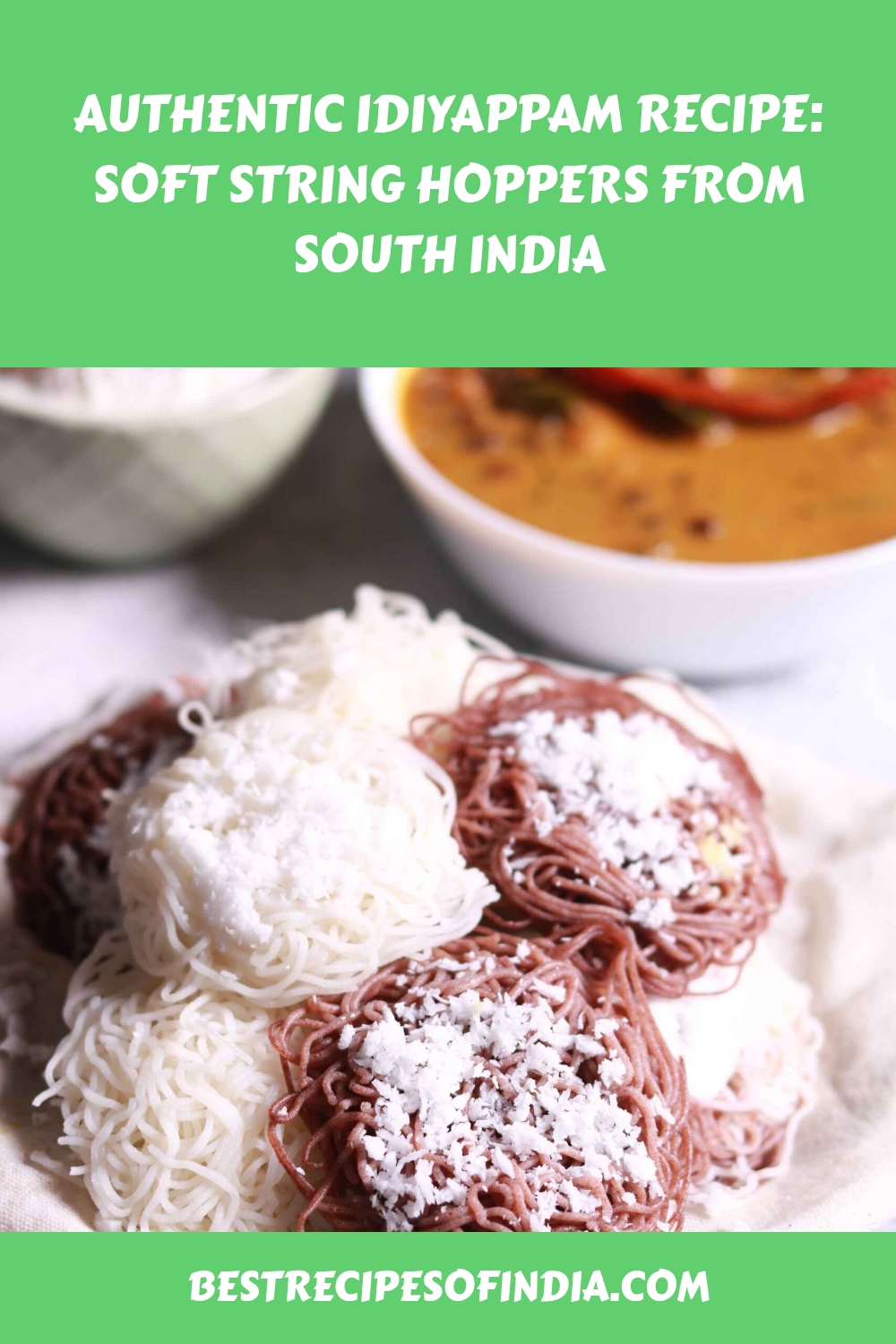
Authentic Idiyappam- Hey there, if you’ve ever been lucky enough to dig into a plate of fluffy Idiyappam at a South Indian home or restaurant, you know that magic-those delicate rice noodles, steamed to perfection, soaking up a gorgeous curry or stew. I’m Chef Yogi, and today I’m sharing my foolproof go-to easy Idiyappam recipe that’s both beginner-friendly and fancy enough for guests. Born in Kerala and Tamil Nadu kitchens, Idiyappam recipe (or nool puttu) is all about simplicity and comfort. It’s naturally gluten-free, light on the tummy, and pairs like a dream with coconut chutney, vegetable korma, or egg curry. The best part? You can whip it up in under 30 minutes with just pantry staples. Whether you’re craving a healthy breakfast twist or a cosy main course, this one’s got you covered.
Let’s roll up our sleeves and make some noodle nests that melt in your mouth!
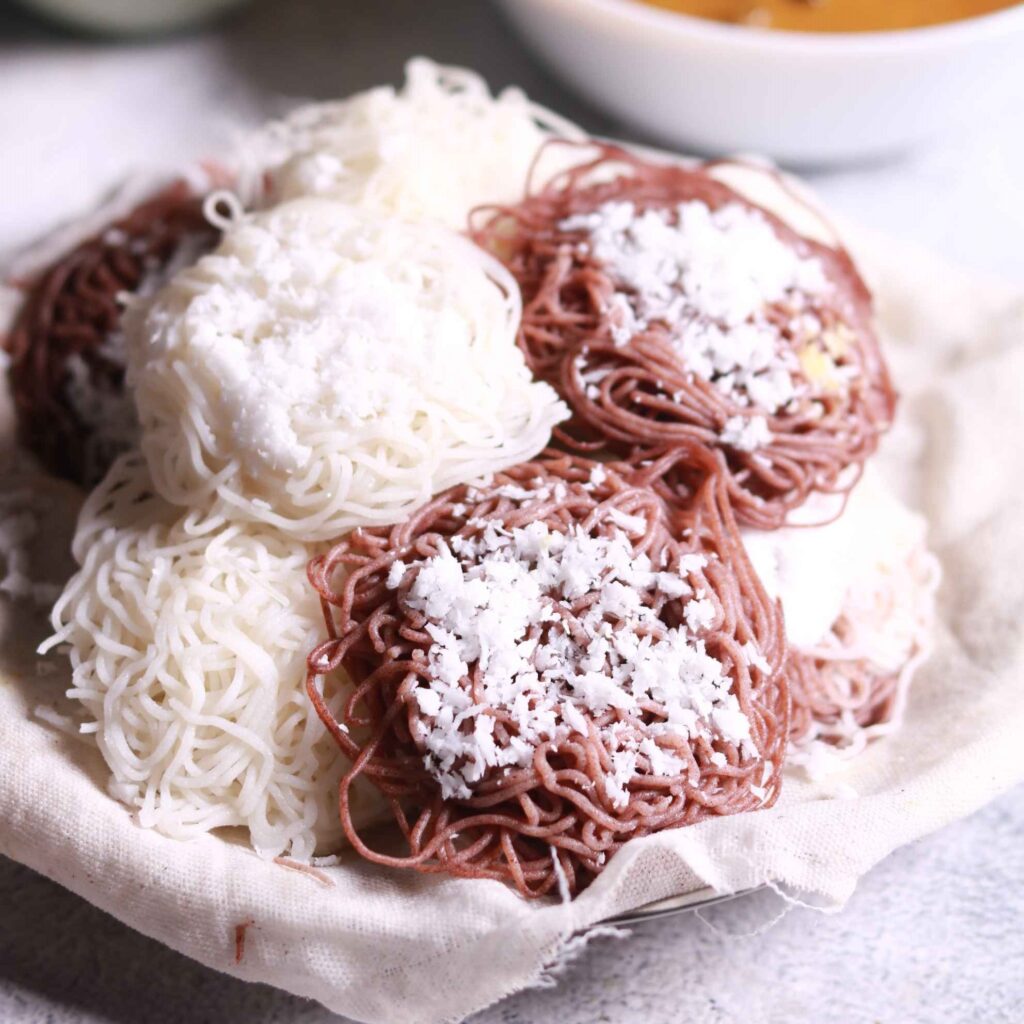
What is Idiyappam?
Steamy, soft strands of rice dough pressed into pretty nests. Idiyappam, those South Indian string hoppers, hail from Tamil Nadu and Kerala, where they’re a weekend staple alongside steaming chai. Unlike rice-based dosas, Idiyappam recipe is steamed fresh, giving it that signature glossy, non-sticky bite that kids and adults alike can’t resist.
In Tamil homes, it’s often called sevai or nool puttu, served with sweet jaggery-coconut dessert vibes or tangy lemon for a zesty kick. Nutritionally, it’s a winner – low-cal, vegan-friendly, and packed with carbs for energy without the heaviness of fried snacks. I’ve seen families in Panvel tweak it with local millets, making it a fusion hit. The key to authentic Idiyappam? That idiyappam press (string hopper maker), a quirky tool that squeezes dough like a giant garlic press. No press? Murukku maker works in a pinch. Steaming on banana leaves adds an earthy aroma that elevates it to restaurant-level yum. Trust me, once you nail this easy Idiyappam recipe, you’ll be hooked, it’s quicker than idlis but twice as fun to eat
Why Rice Flour Shines
Let’s talk about the heart of any great Idiyappam recipe: rice flour. This isn’t just any flour-it’s finely ground parboiled rice that gives those noodles their pillowy softness and sheen. Rice flour’s magic lies in its neutral taste and high starch content, which absorbs warm water beautifully to form a pliable dough without gluten’s chewiness. It’s what keeps Idiyappam light and digestible, perfect after heavy curries.
In my kitchen, I always roast the flour lightly first-it toasts away rawness and amps up fluffiness, a trick from Kerala ammas. Purpose-wise, rice flour binds everything without overpowering; it’s 100% gluten-free, so celiacs rejoice! For nutrition, it’s gentle on blood sugar compared to wheat, making it ideal for diabetic-friendly meals. Opt for store-bought idiyappam flour (roasted rice variety) to save time, or grind your own soaked rice for that fresh edge. A teaspoon of ghee or coconut oil? Game-changer for extra tenderness—think buttery idlis but in noodle form. If you’re feeling fancy, mix in grated coconut mid-steam for built-in moisture and tropical vibes. Rice flour’s versatility shines in variations, too—like the ragi blend we’ll hit later. Bottom line: it’s the unsung hero ensuring your Idiyappam isn’t tough or crumbly. Grab some, and you’re halfway to heaven
Ragi Idiyappam Variation
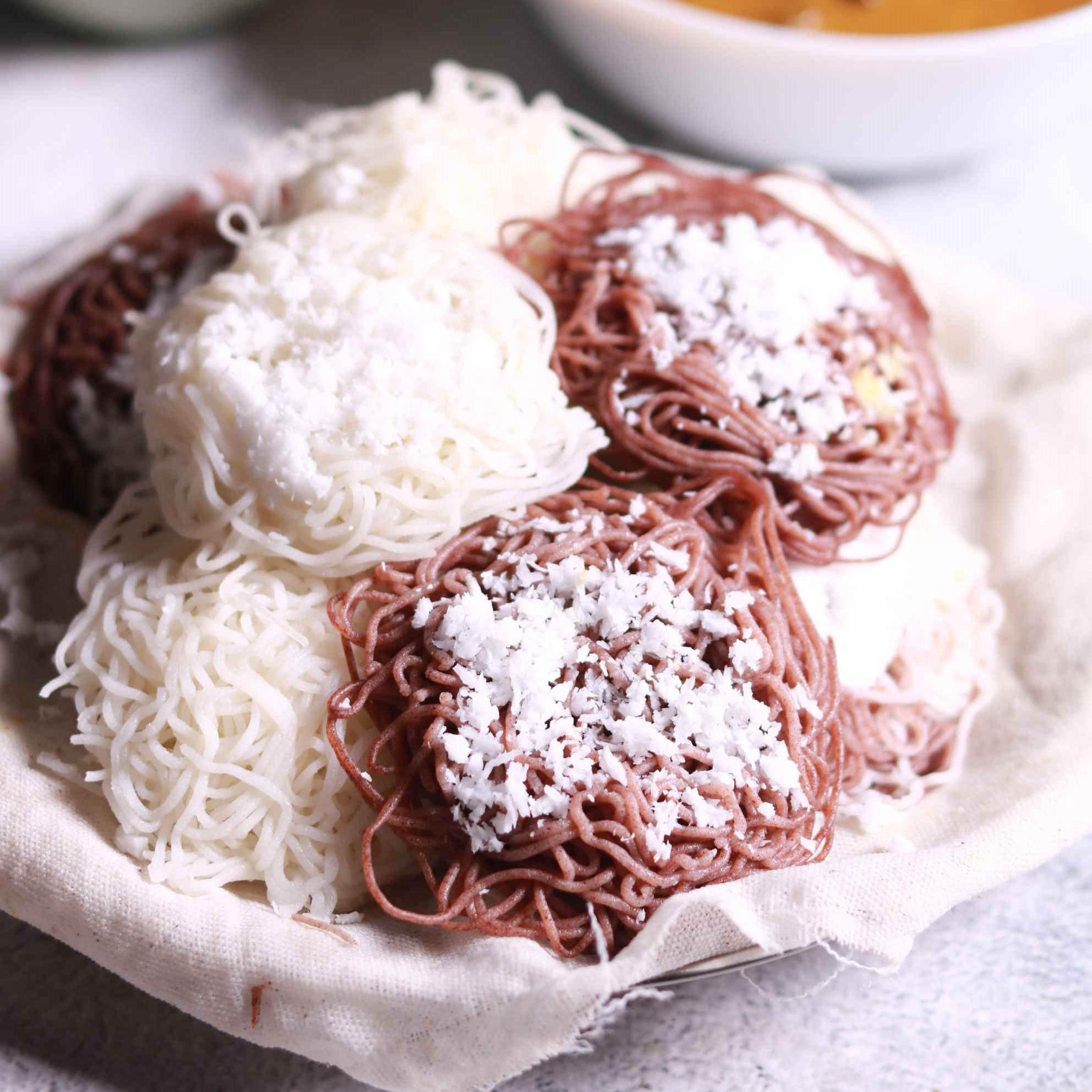
Craving healthier vibes? Swap half the rice flour for ragi in this Idiyappam recipe – ¾ cup each ragi and rice flour mimics classic texture with millet goodness. Roast ragi flour lightly to cut bitterness; it boosts calcium, iron, and fibre for gut-loving mains. Purpose of ragi: nutrient powerhouse without heaviness, ideal for weight-watchers.
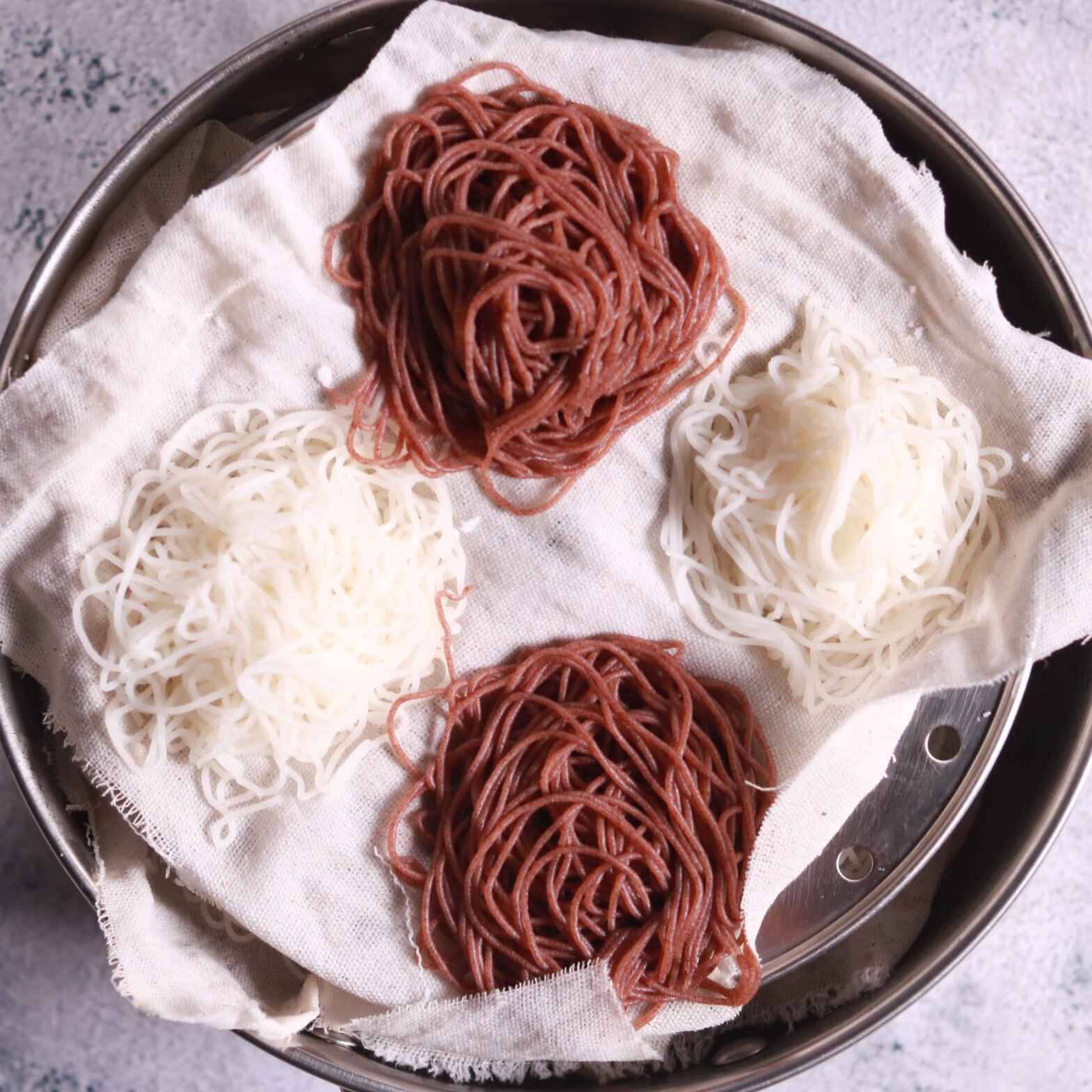
Mix as usual: salt, warm water (maybe ¼ cup more for ragi’s thirst), ghee. Knead to smooth—ragi darkens the dough to a pretty reddish hue. Press and steam in the same way; coconut hides any earthiness. My tip: boil water with oil first, pour over roasted flours for a foolproof bind. Tastes nuttier, perfect with kadala curry or stew. Kids in my circle gobble it disguised with jaggery. In Maharashtra, it’s a hit at millet-focused meals. Drawback? Slightly denser, so don’t skip oil. Experiment: full ragi for bold, or add oats for a hybrid. Steams in 10 minutes—health upgrade without fuss. Your breakfast just levelled up!
Idiyappam Recipe: Photo gallery


Serving Ideas and Tips
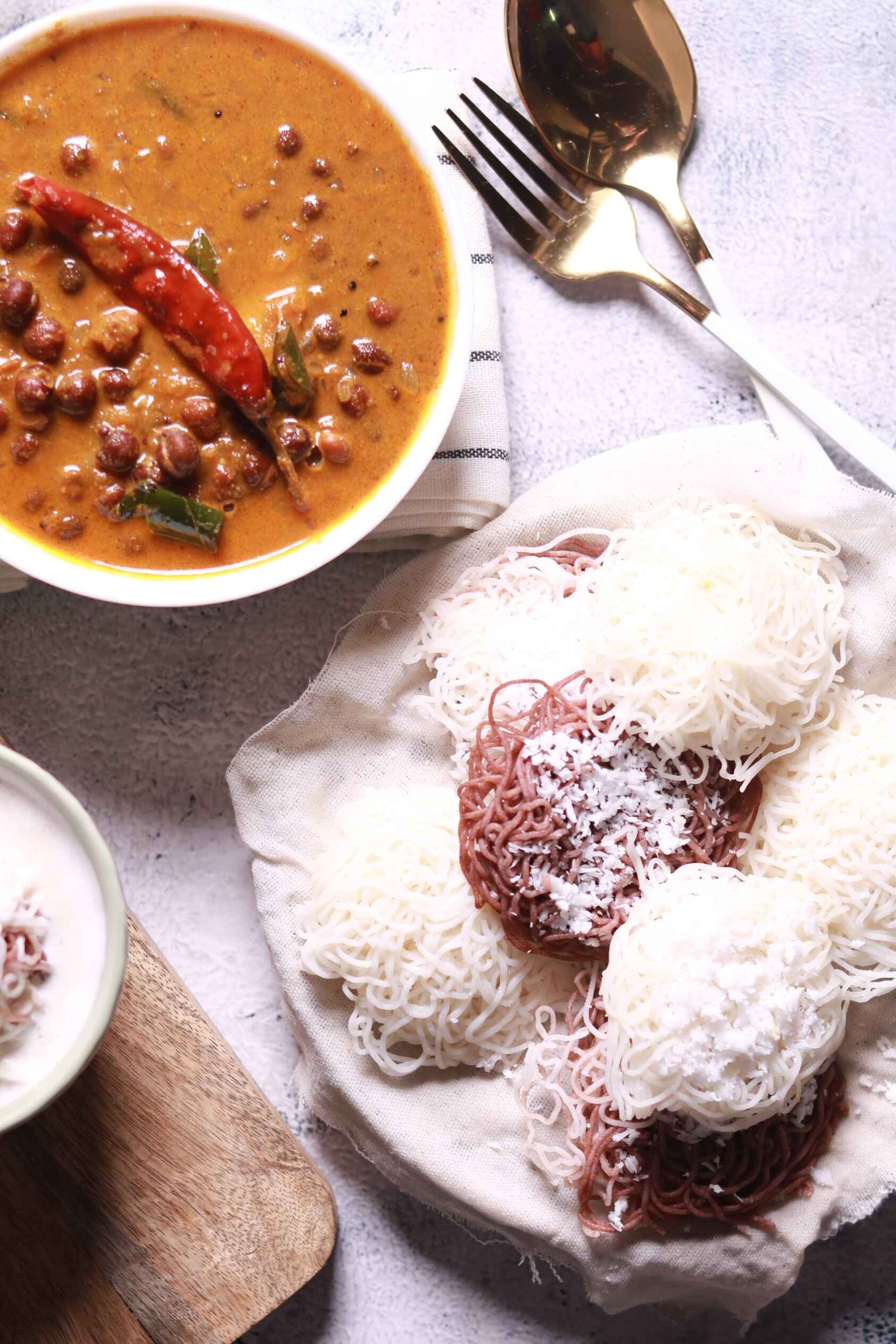
Idiyappam shines brightest with contrasts: spicy potato stew, coconut milk gravy, or egg curry for non-veg fans. Kids love sweet, toss cooled strands in jaggery-coconut mix. Pro tip: steam extras, refrigerate overnight, then sauté as upma with onions and peas.
For Panvel tables, pair with local green chutney or avial. Garnish with curry leaves for aroma. Leftover dough? Freeze in balls. Always serve piping hot-cools fast. Boost nutrition: top with steamed veggies. Make-ahead: dough rests 30 minutes for better press. Variations like lemon (tempering mustard-chillies) or tomato keep it exciting. Hosting? Plate nests artfully. Hydrate well during steaming; dry steamer flops it. This is an easy Idiyappam recipe feeds souls, light yet satisfying. (192 words)
Common Mistakes to Dodge
New to Idiyappam recipe? Avoid cold water, it makes lumpy, hard dough. Knead while warm for elasticity; cold dough cracks in the press. Too much water? Sticky mess, add flour teaspoon-wise. Don’t over-roast flour; it burns taste.
Press lightly greased, dough sticks otherwise. High steam heat toughens; medium’s key. Skip coconut? Dry results; it moistens. Store flour airtight, spoils fast in humidity. Ragi newbies: roast extra to mellow. Fluff post-steam; packs down. No idli stand? Work with the stand works. My fix for dense ones: ghee next batch. Practice once, perfect forever
FAQ for Idiyappam Recipe (String Hoppers Recipe)
What’s the trick to soft Idiyappam?
Warm water and ghee kneading ensure fluffiness, rest the dough covered too.
Can I make Idiyappam without a press?
Yes, a ziplock with the corner snipped or a murukku maker, squeezes fine.
Is ragi Idiyappam healthy?
Absolutely, rich in calcium, fiber, great for diabetics.
How long does Idiyappam last?
Fresh best, but fridge 1 day; steam to reheat.
Vegan Idiyappam options?
Swap ghee for coconut oil, tastes even better!
Best curries for Idiyappam?
Veg korma, chicken stew, or sambar shine.
Can I bake Idiyappam?
Steaming’s traditional; baking dries it out.
Gluten-free confirmed?
Yes, rice flour base is naturally gluten-free.
Ingredients
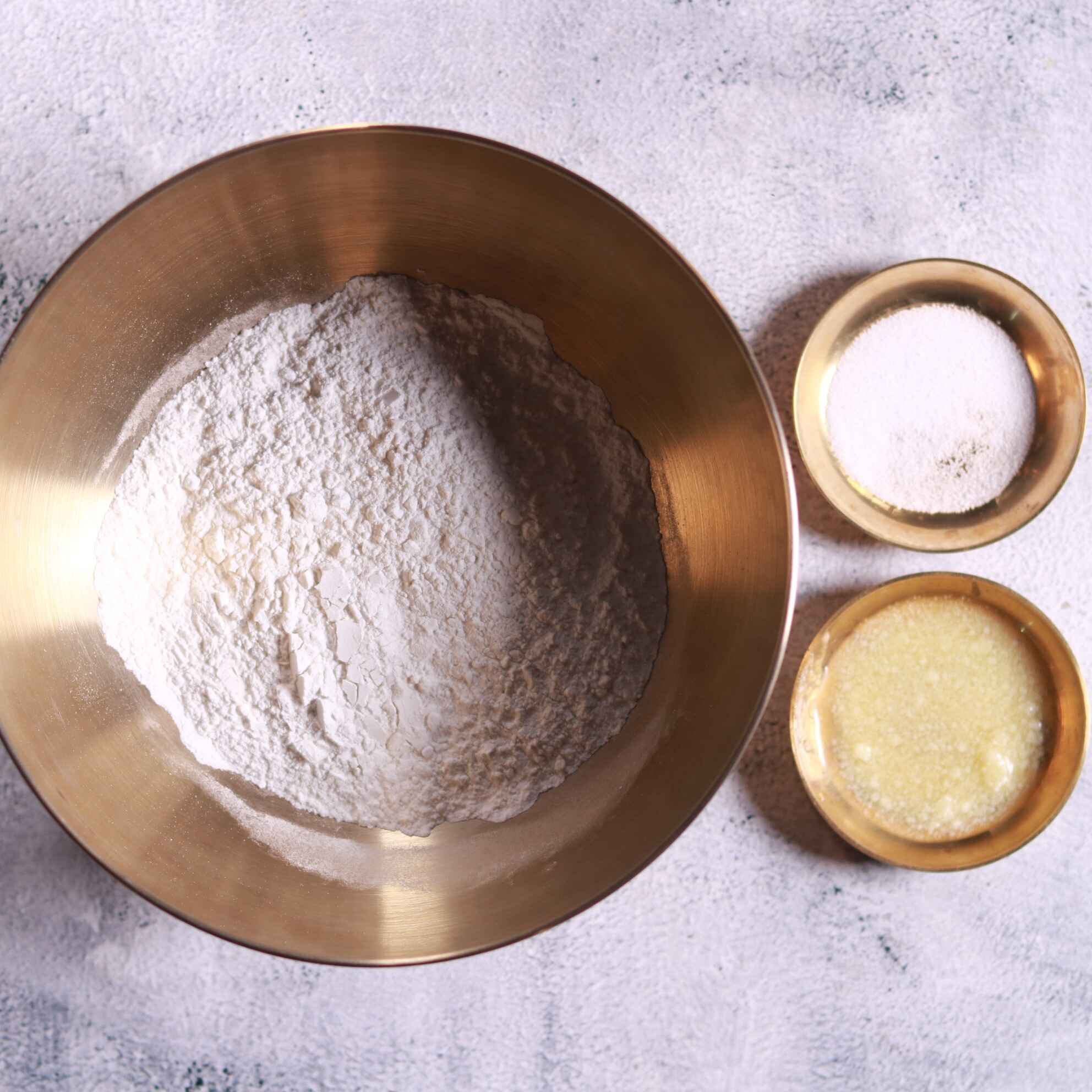
- 1 ½ cups rice flour or ¾ cup ragi flour + ¾ cup rice flour for a ragi variation
- 1 cup warm water
- ½ teaspoon salt
- 1 teaspoon ghee or coconut oil optional
- ¼ cup grated coconut optional
Instructions
- In a mixing bowl, combine rice flour and salt. If using, add ghee or coconut oil for extra softness.
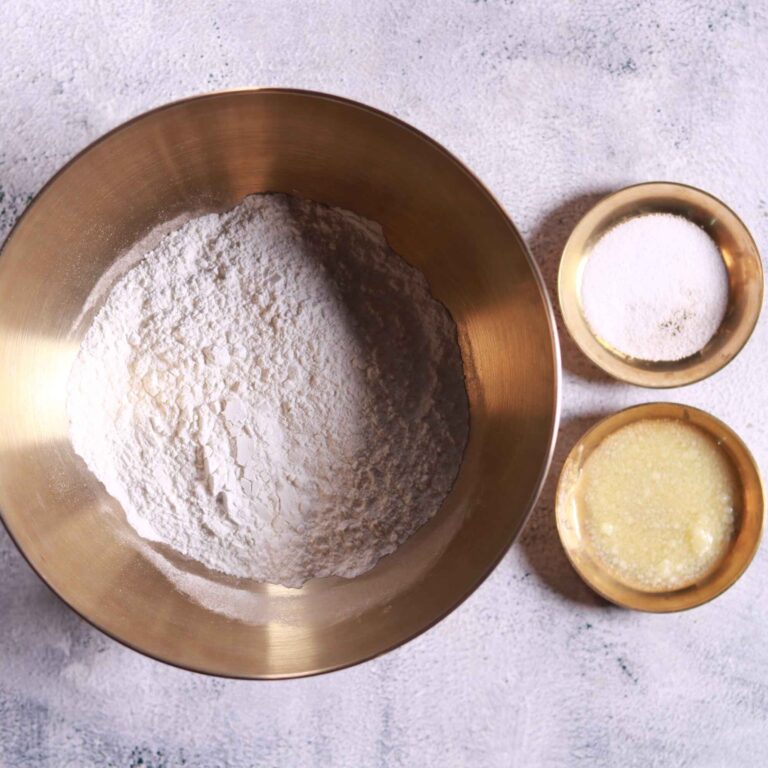
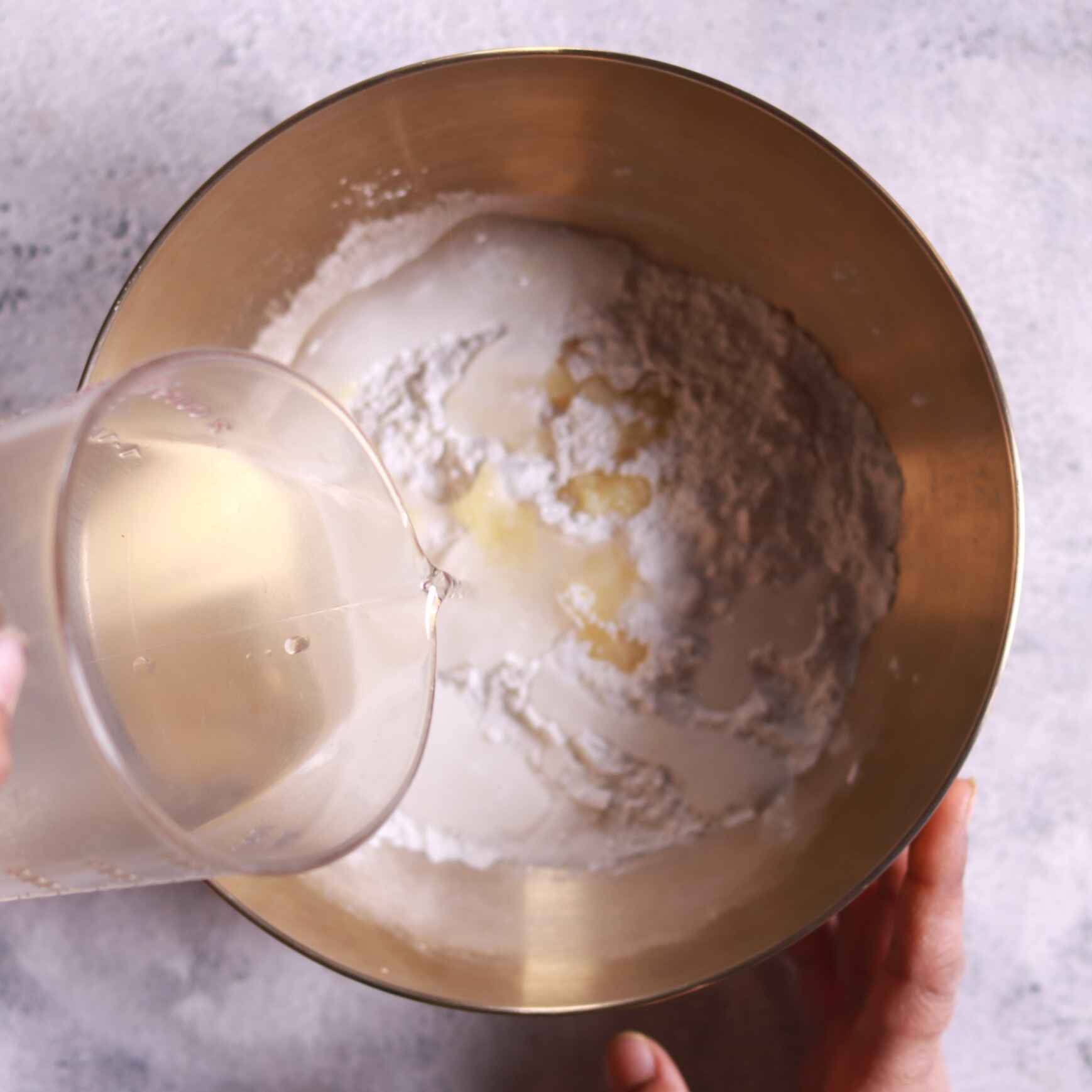
- Gradually pour warm water while stirring with a spoon. Mix well until it forms a soft, non-sticky dough. Let it cool slightly.
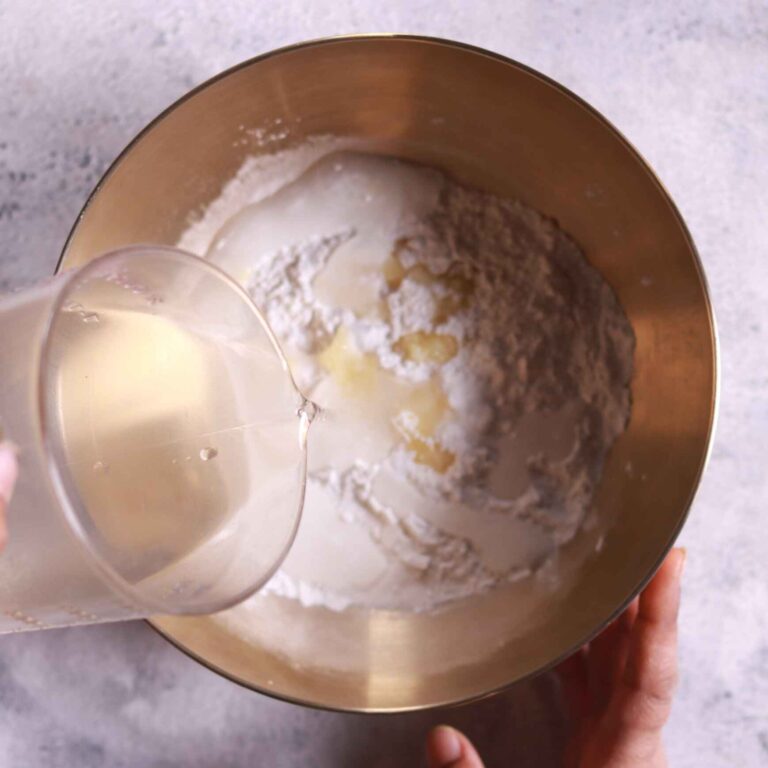
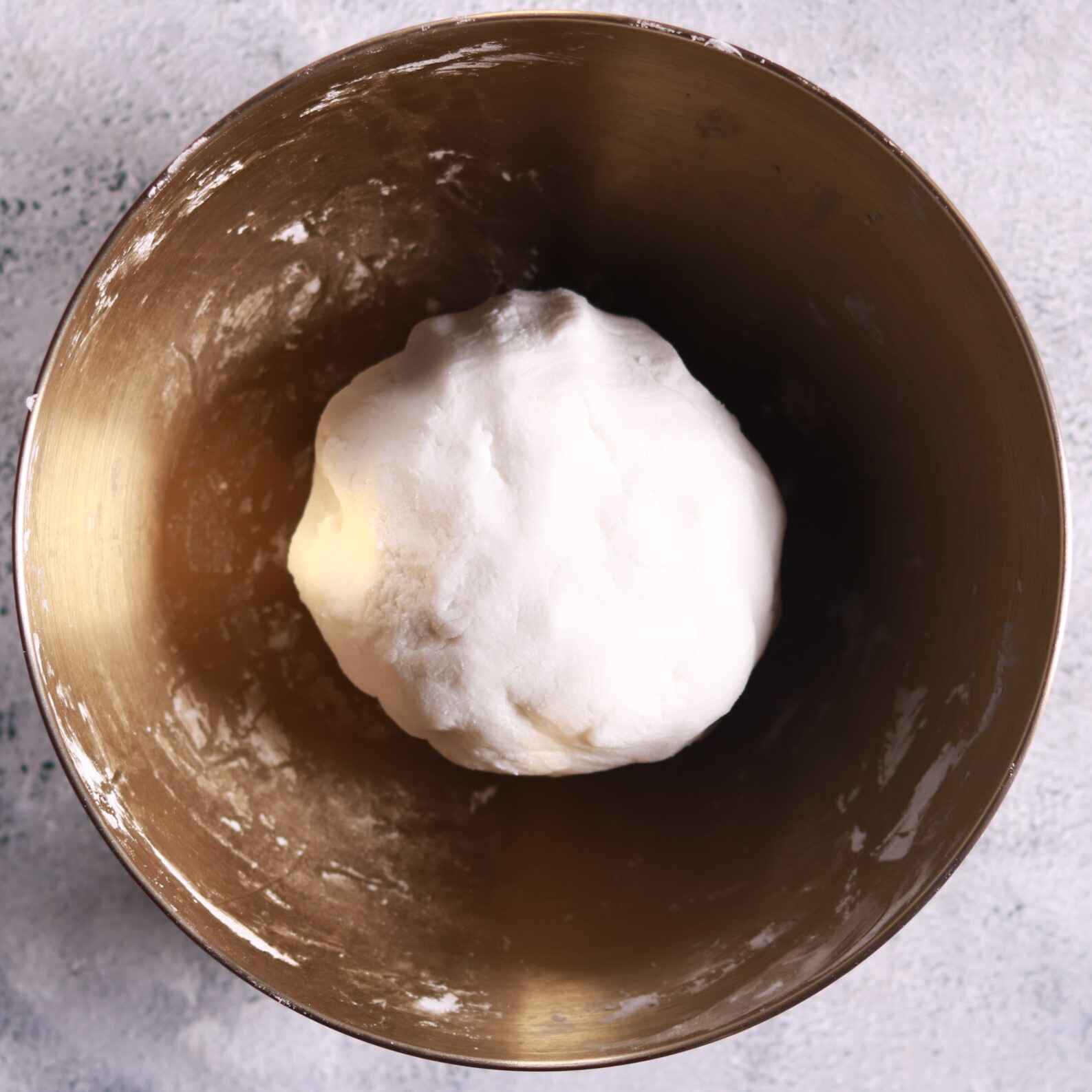
- Hands kneading rice flour dough to achieve a smooth, pliable texture
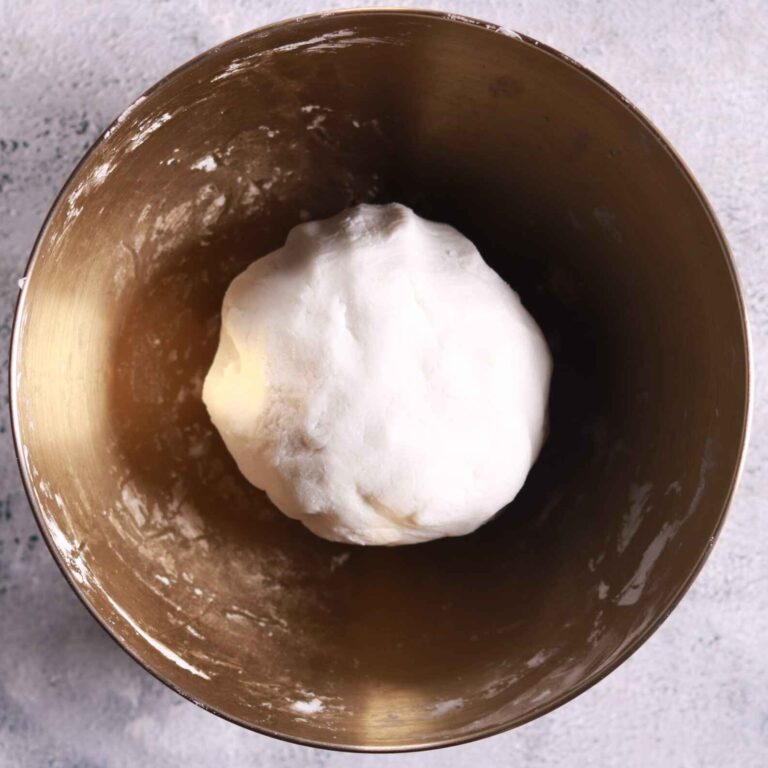
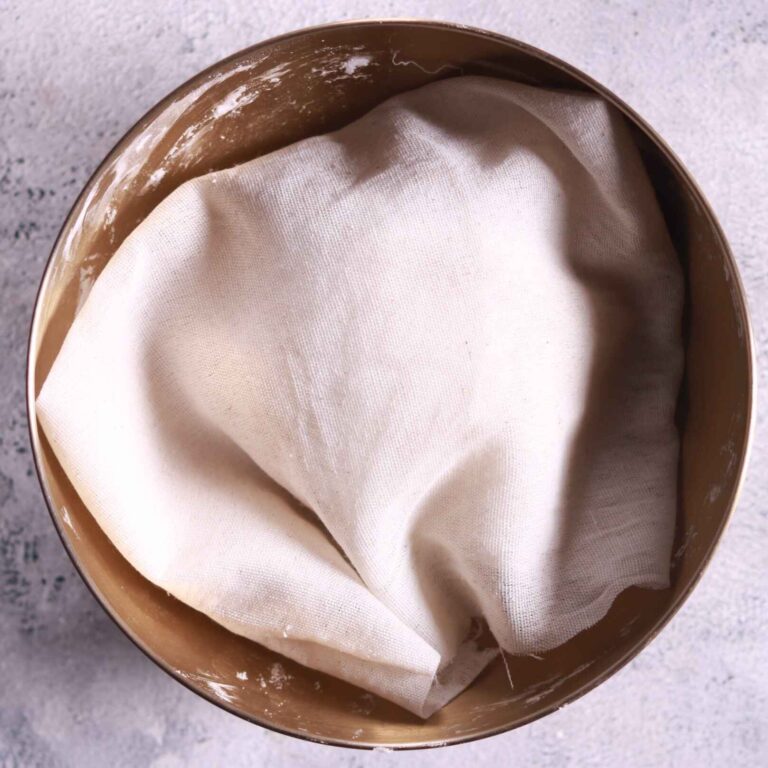
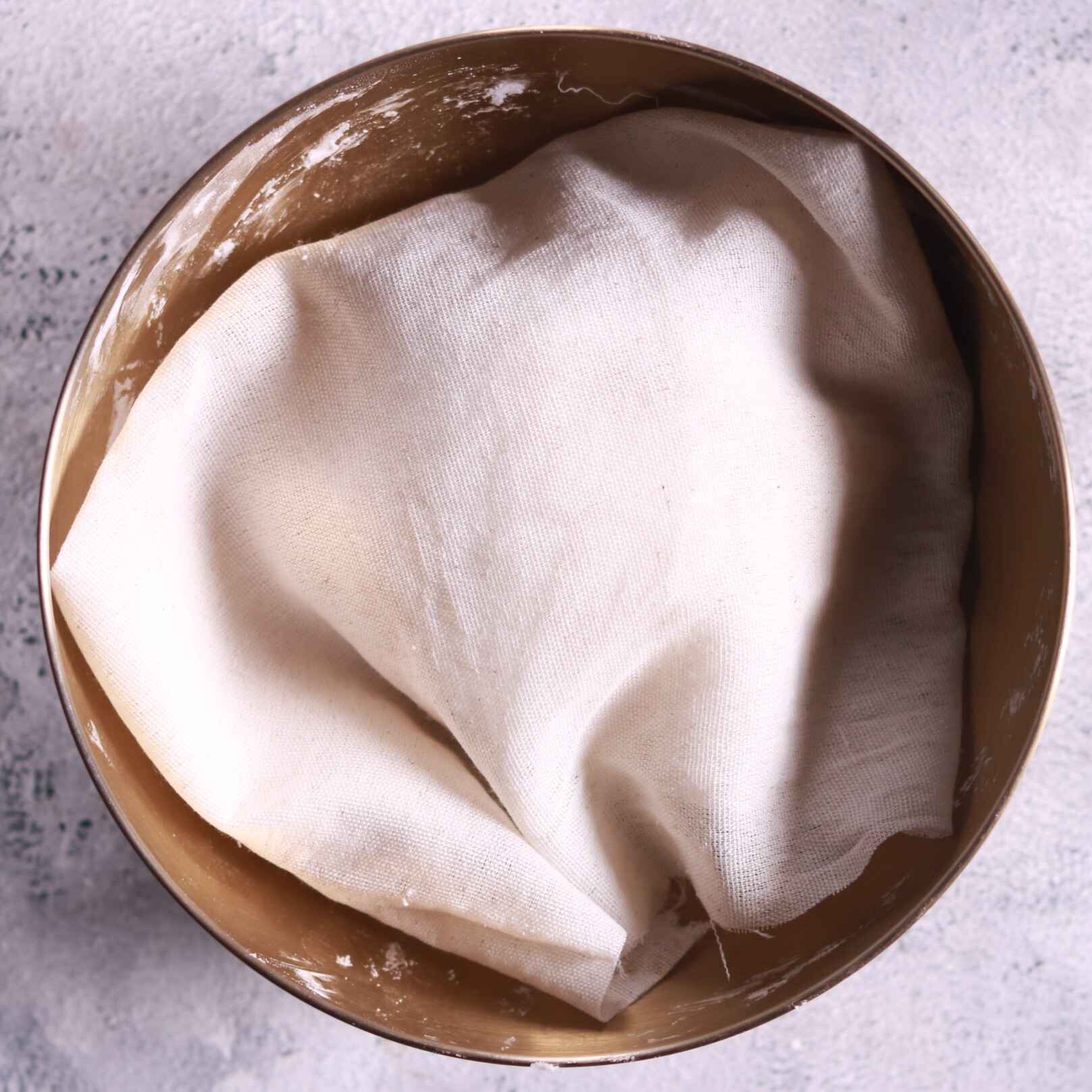
- Smooth dough covered with a muslin cloth to retain moisture and softness
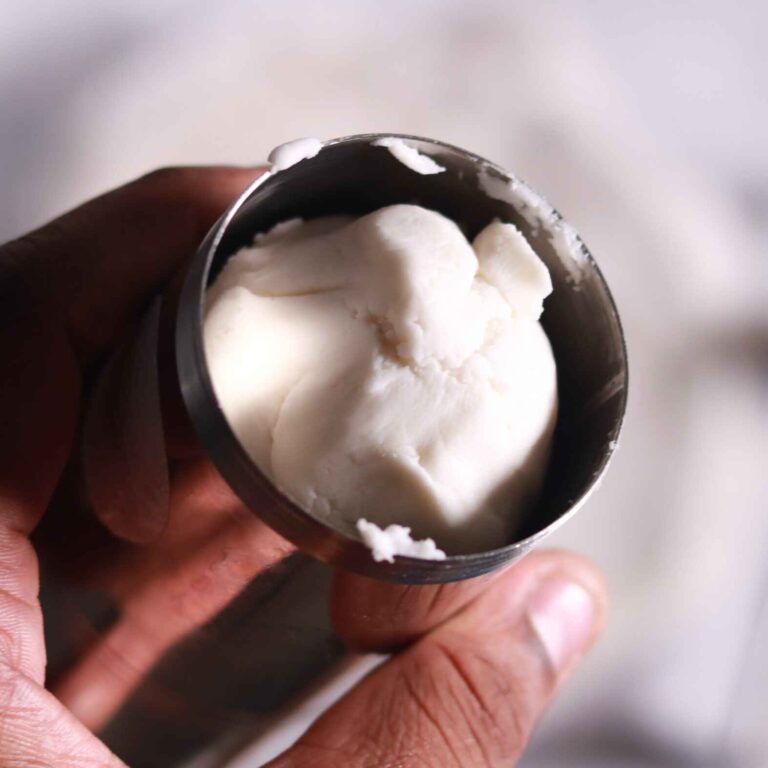
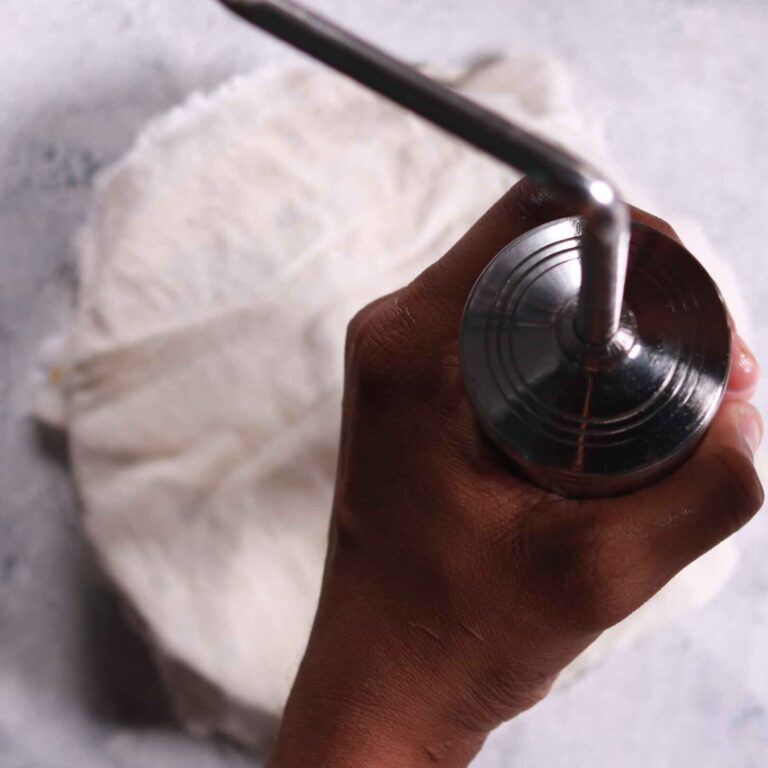
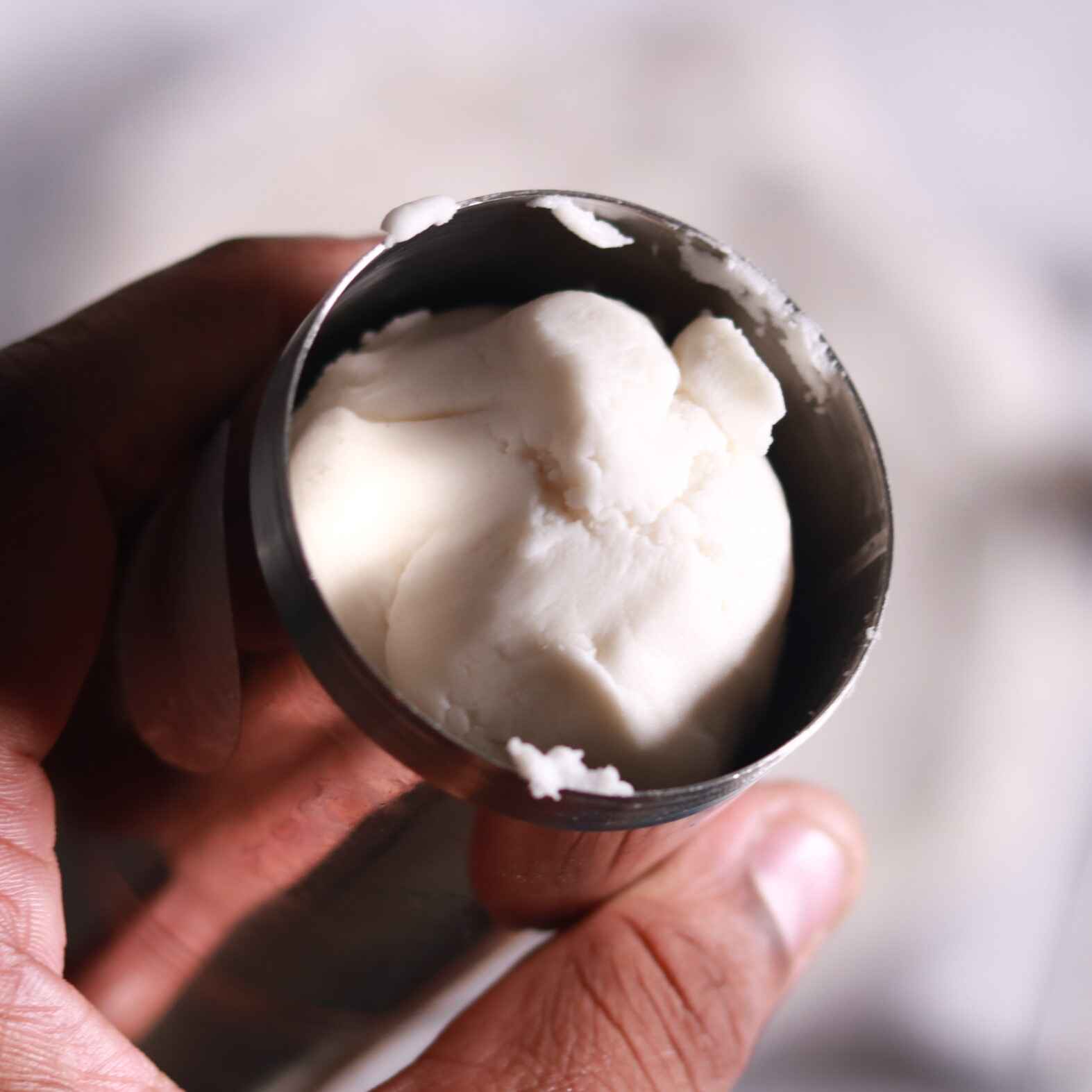
- Lightly grease the idiyappam press with oil. Fill the press with dough.
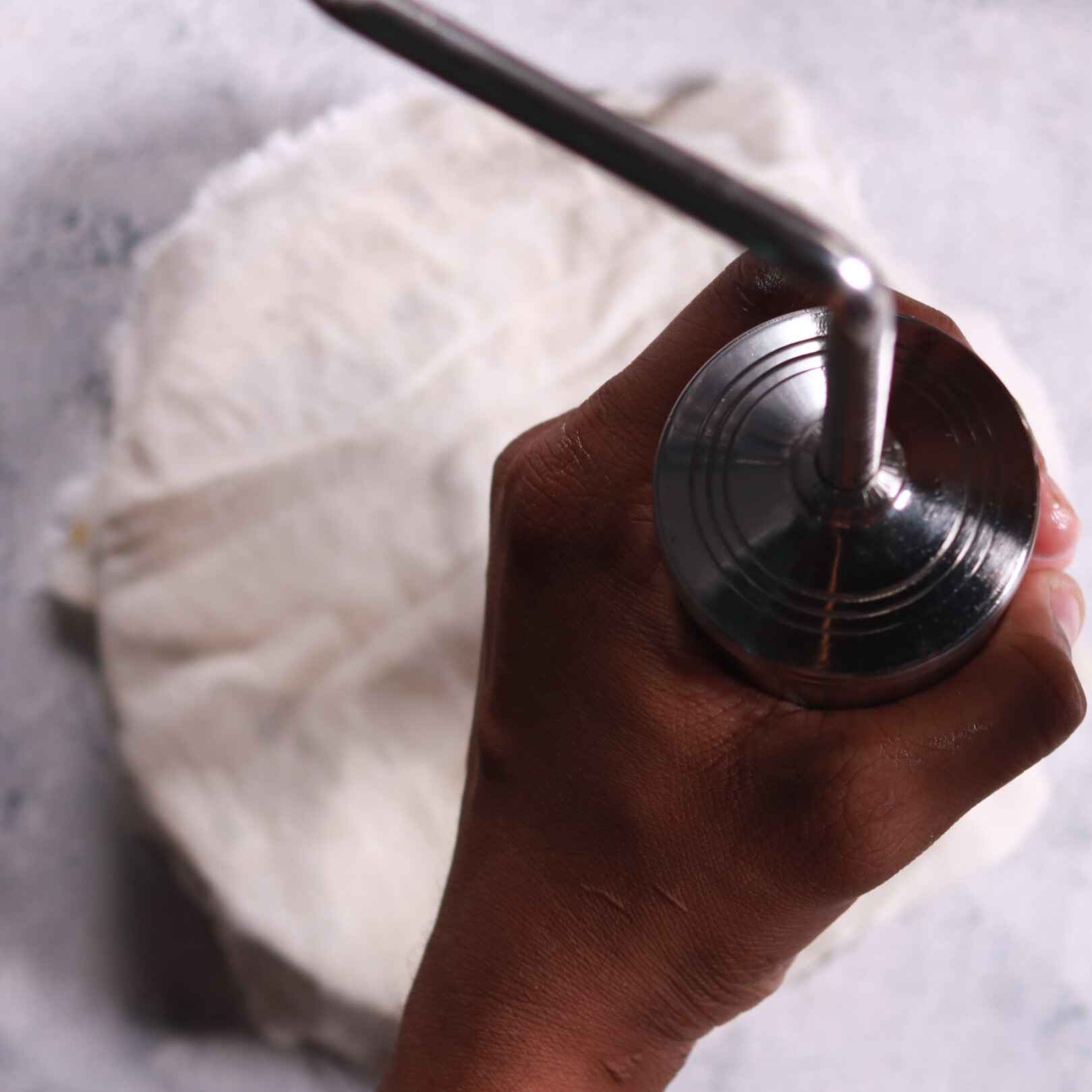
- Squeezing dough from idiyappam press onto idli plates or banana leaves in circles
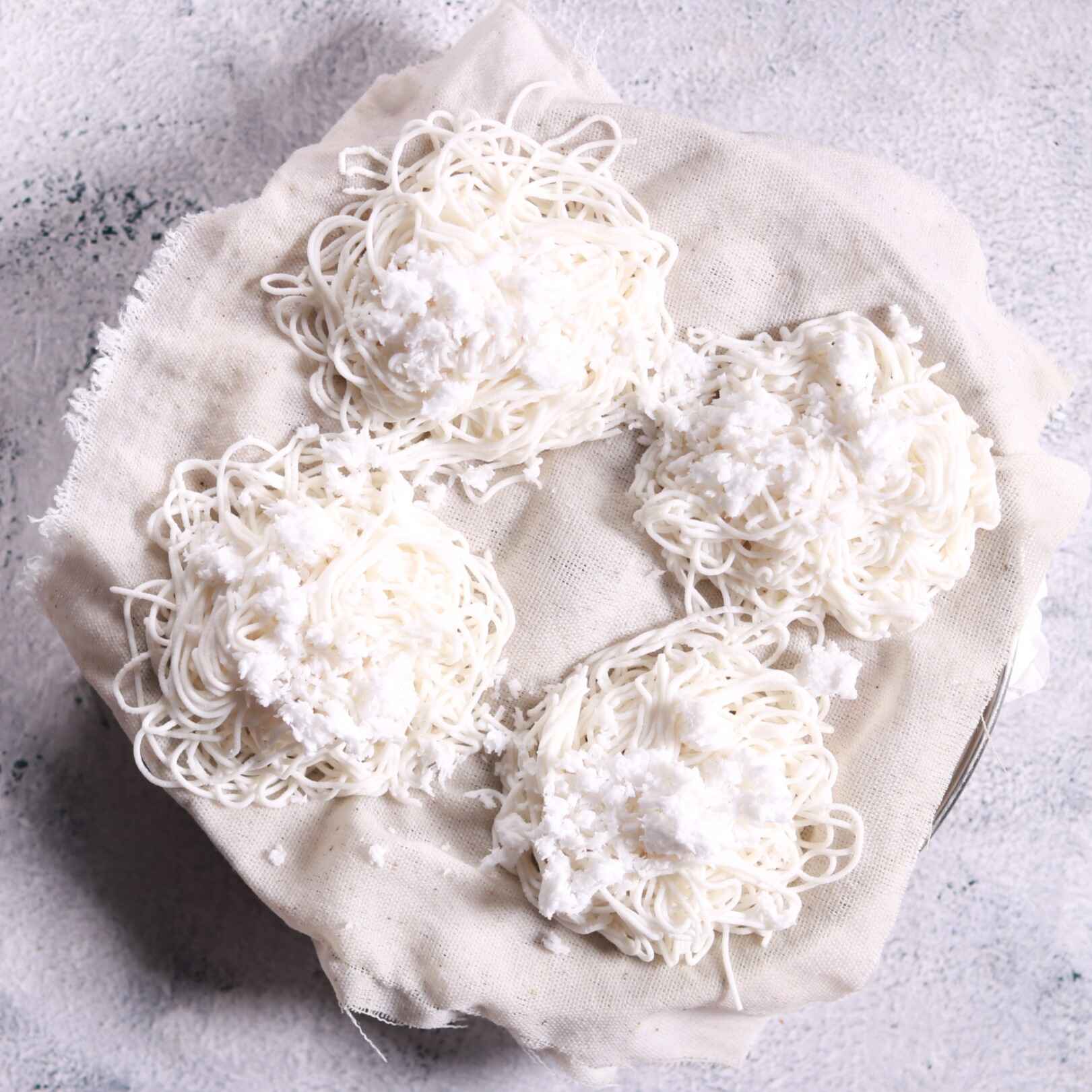
- If desired, sprinkle grated coconut on top for extra flavor.
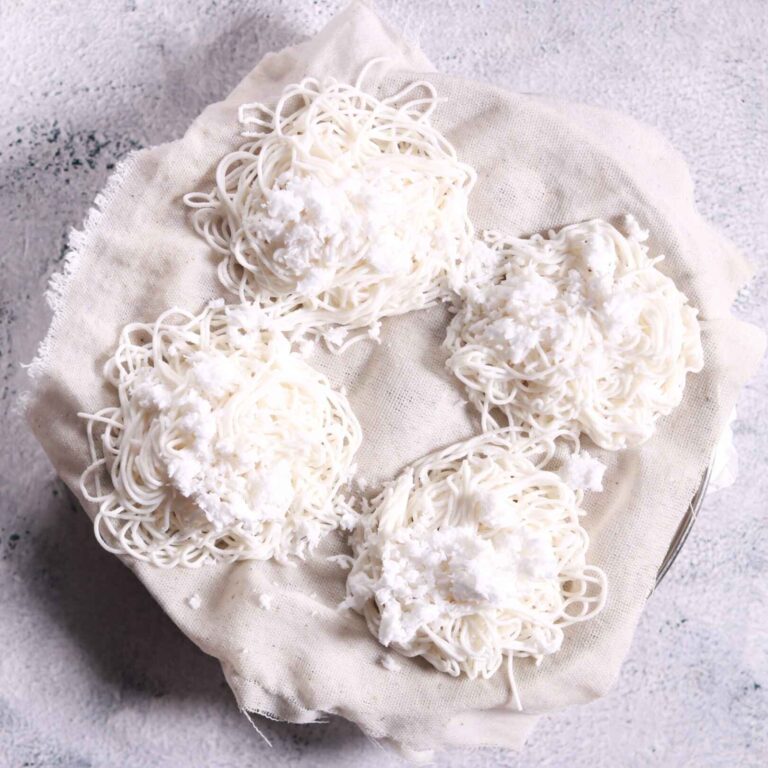
- Place the idiyappam-filled plates in a steamer. Steam on medium heat for 8-10 minutes until the idiyappam turns firm and glossy.
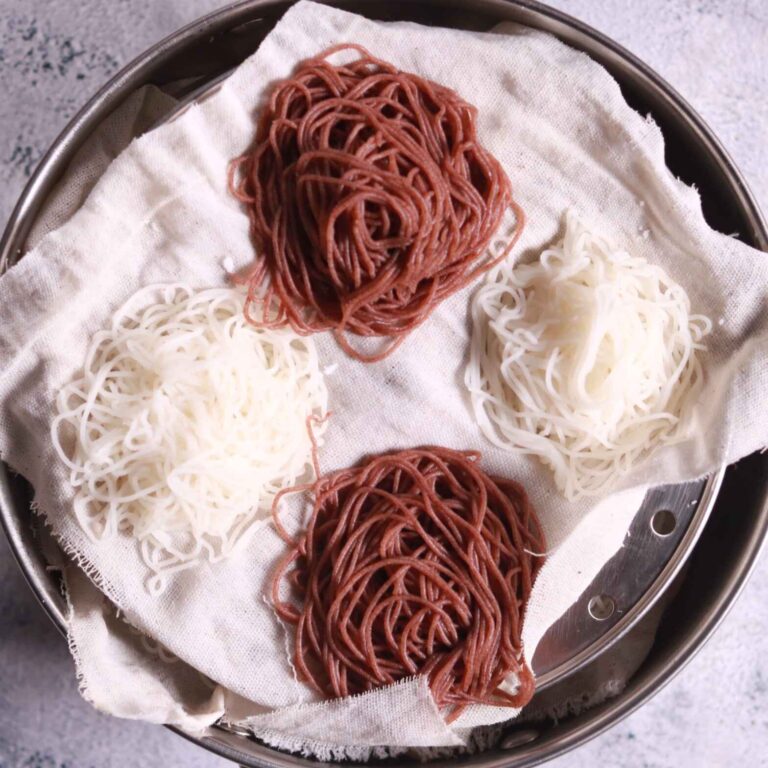
- Remove from the steamer and let it cool for a minute before serving.
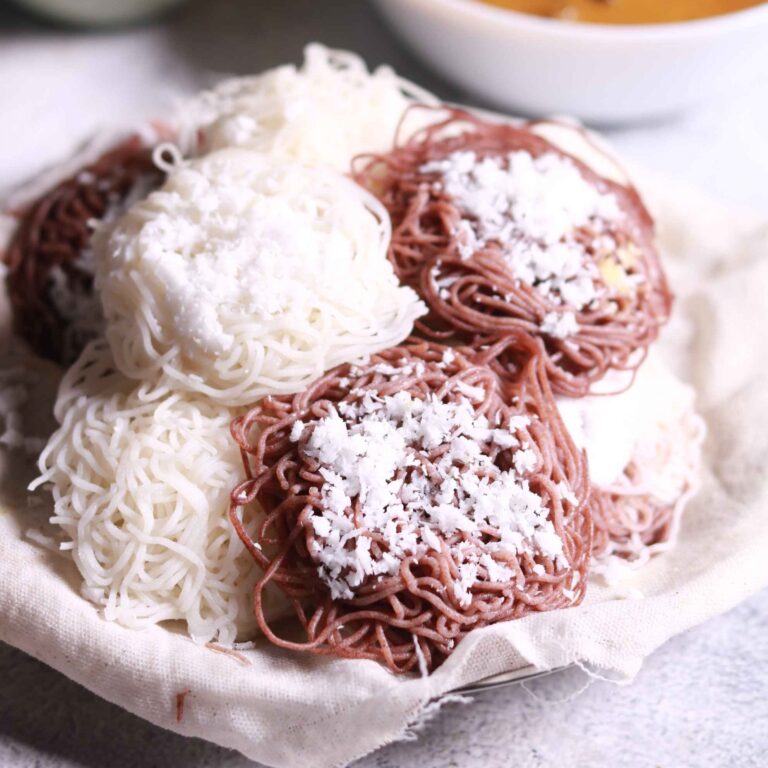
Notes
- Sweet: Serve with coconut milk and sugar for a mildly sweet dish.
- Savory: Pair with vegetable stew, kurma, or spicy egg curry.
- Traditional: Mix with grated coconut and jaggery.
- Gluten-Free Option: Use pure rice flour to keep it gluten-free.
- Store leftover idiyappam in an airtight container in the fridge for up to 2 days. Steam lightly before serving.
- For colorful idiyappam, replace water with beetroot or spinach juice.