If there’s one dish that makes a slow, rainy morning in Kerala feel extra cozy, it’s a Traditional Kerala egg curry with coconut milk, served with soft Paratha or lacy dosa. This is the kind of “mutta curry recipe” that feels both homely and a little festive, egg simmered in a gently spiced, creamy coconut gravy that you’ll absolutely want to mop up to the last drop.
On www.bestrecipesofindia.com, this curry fits right in with the comfort-food category: everyday ingredients, familiar Indian spices, and a process that’s relaxing rather than stressful. You’ll do some slow sautéing, a bit of gentle frying, and at the end, you’re rewarded with a pot of curry that tastes like you’ve been cooking for hours.

Why Kerala Egg Curry Recipe with Coconut Milk Work So Well
Egg curry and coconut milk are such a natural pair in Kerala cooking that once you taste this combination, it’s hard to go back. The boiled eggs quietly soak up the spiced gravy, so every bite is flavorful instead of just the sauce doing all the work.
Coconut milk, the real star ingredient here, brings in creaminess, a light sweetness, and that signature coastal aroma. It softens the heat from the green chillies and chilli powder without muting the spices, so you still get warmth and depth but in a very comforting, mellow way. Think of it as the ingredient that turns a basic egg curry into a proper Kerala-style Traditional kerala egg curry recipe.
Purpose of Coconut Milk in this Recipe:
- Adds rich, silky body to the gravy
- Balances spice and heat with gentle sweetness
- Gives the curry its classic Kerala flavour and pale orange colour
How To Boil And Prep The Eggs
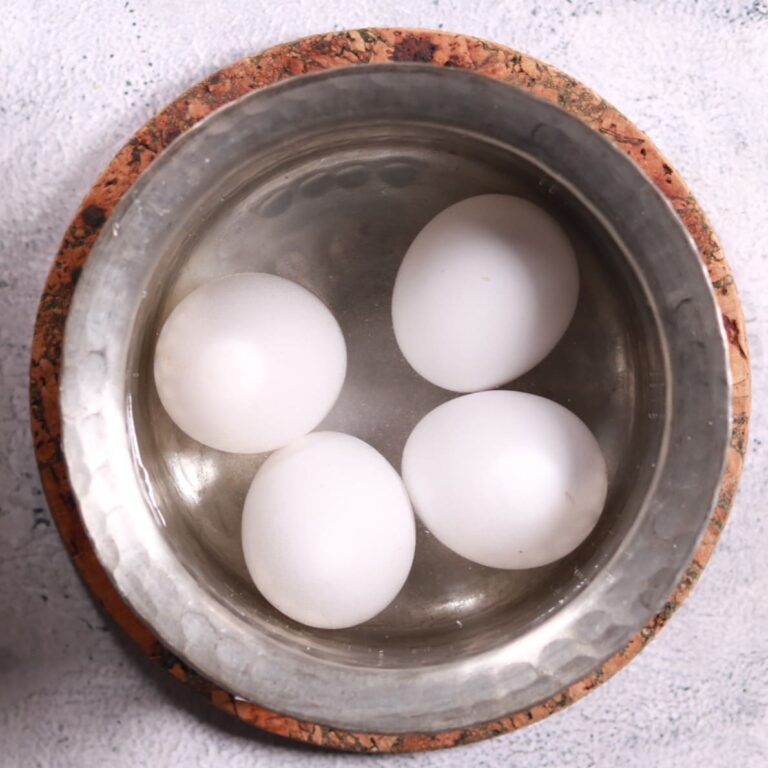
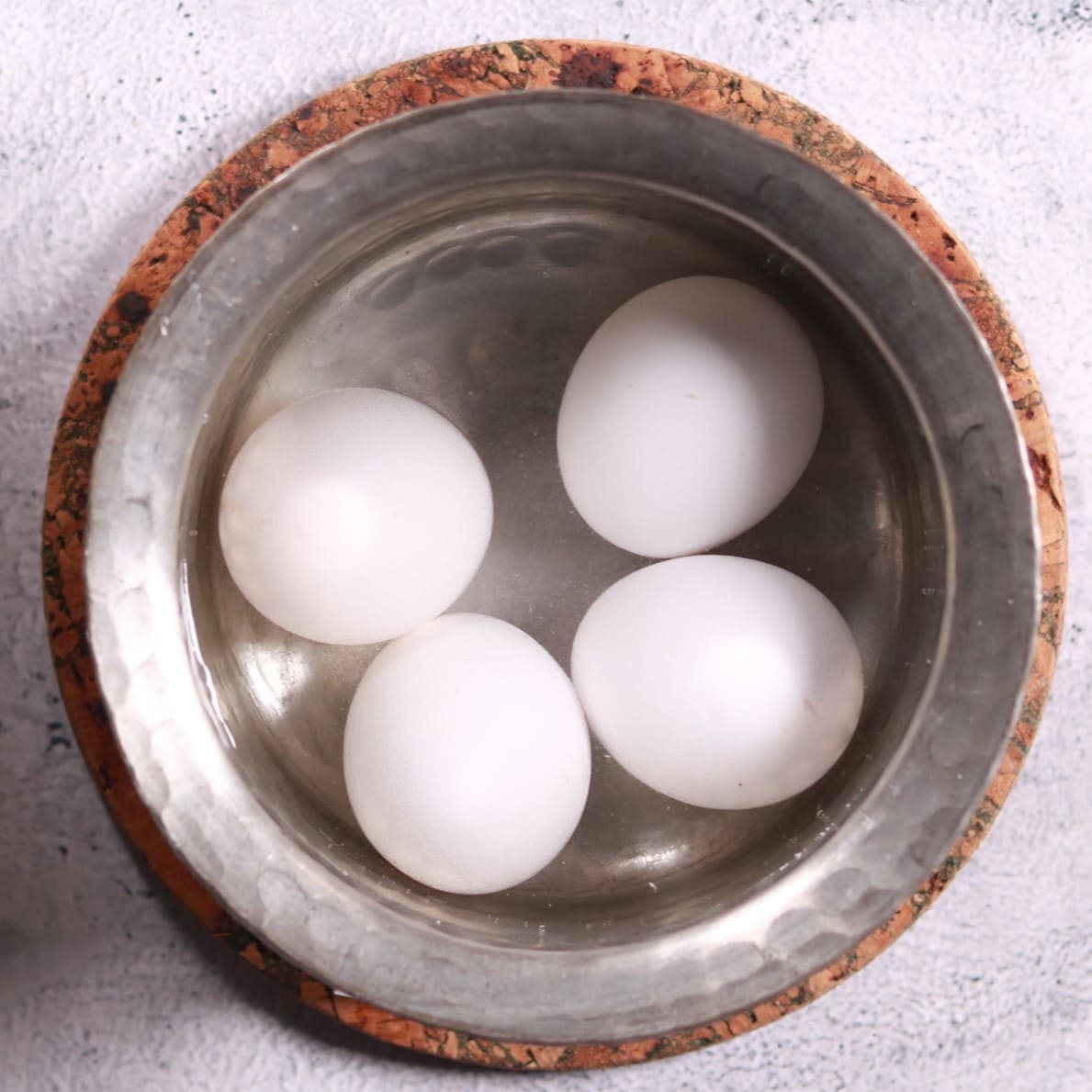
Let’s talk eggs, because nailing this step makes a big difference to texture. You’ll start by placing the eggs in a saucepan, covering them with water, and boiling them for around 8 minutes, just enough for firm whites and fully set yolks that won’t crumble in the curry.
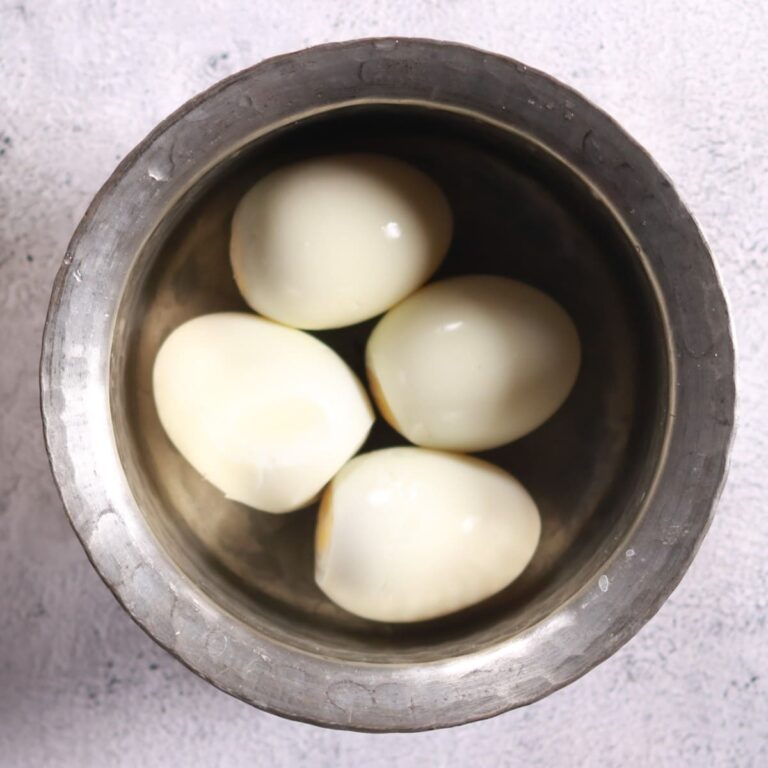
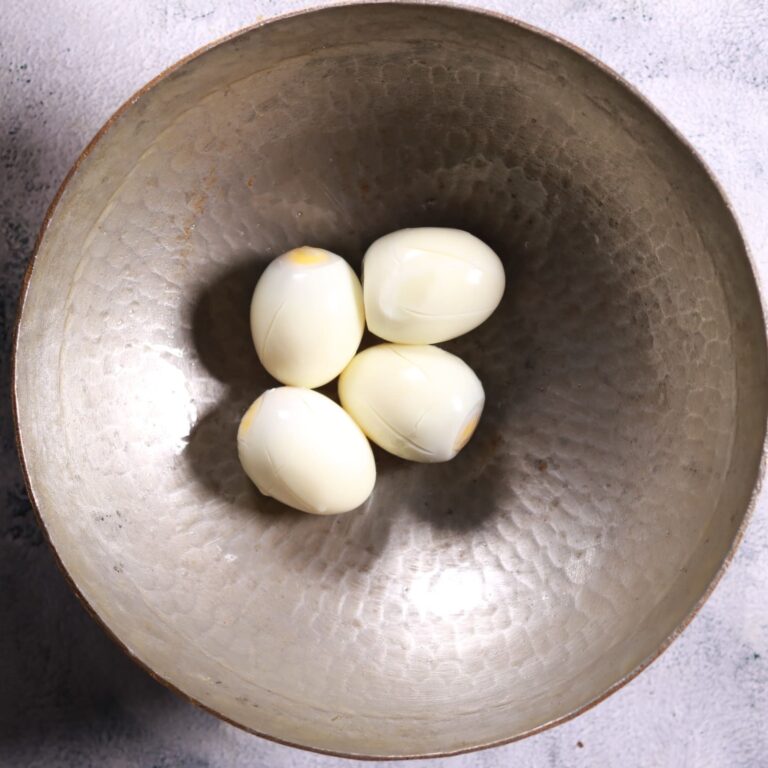
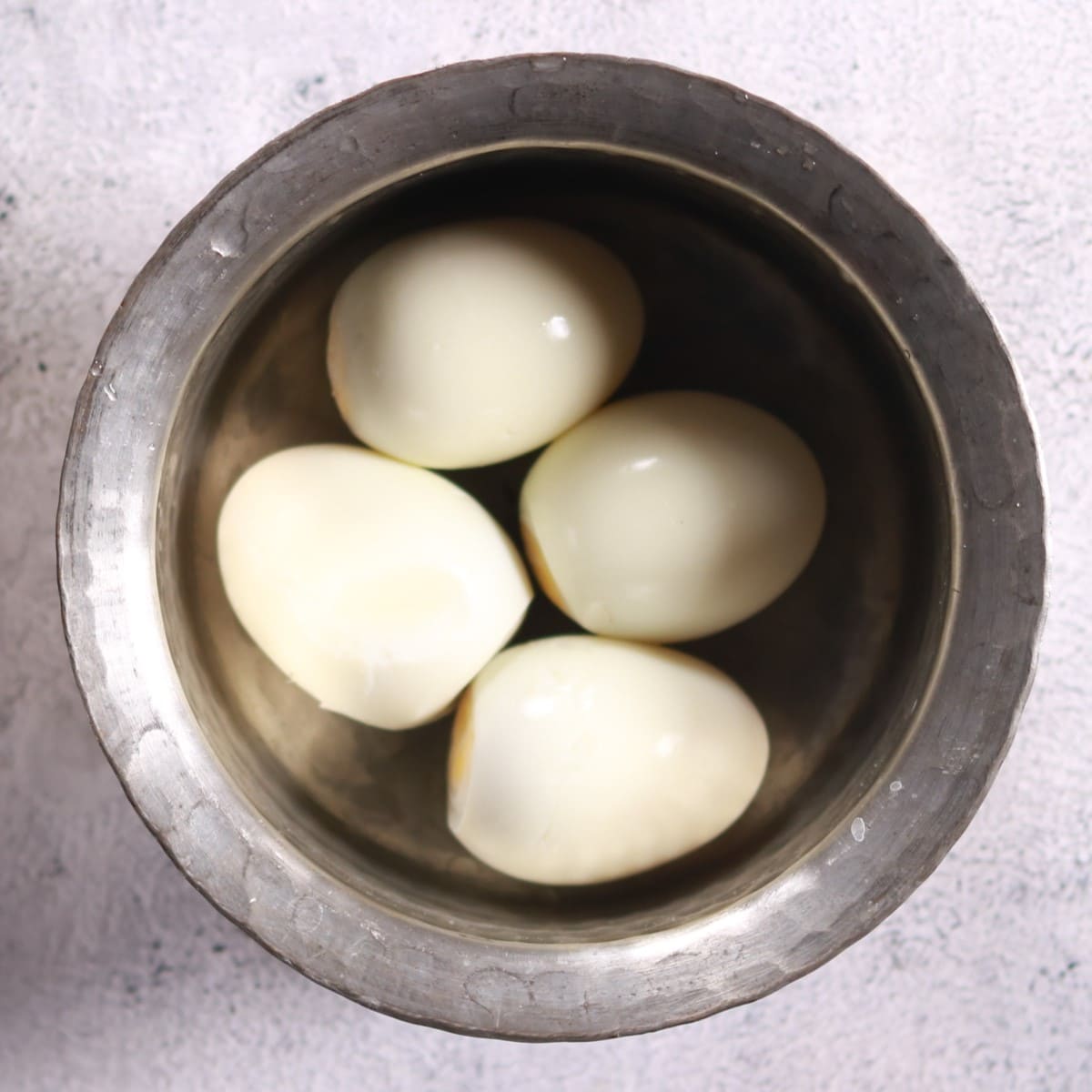
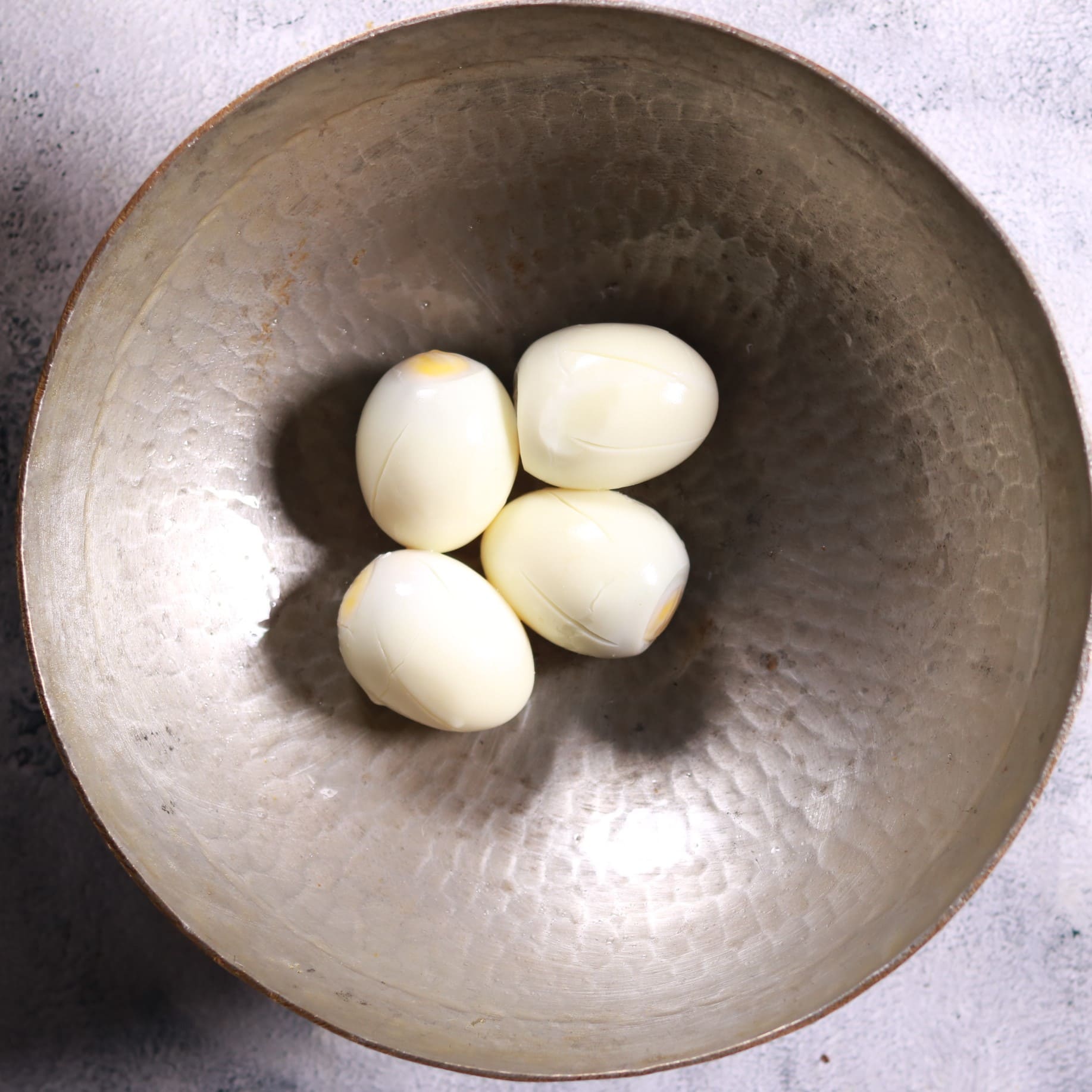
Once they’re done, they go straight into a bowl of cold water this quick chill stops the cooking and makes peeling so much easier. After peeling, you’ll take a small knife and gently score each egg with shallow cuts. These little cuts are like secret doorways for flavor; they let the spiced coconut gravy seep right in, so the eggs don’t taste plain in the middle.
This simple prep ensures your Kerala egg curry with coconut milk doesn’t just have a tasty gravy; the eggs themselves become delicious, well-seasoned bites
Traditional Kerala Egg Curry with Coconut Milk Recipe Gallery


Building A Flavorful Spice Base
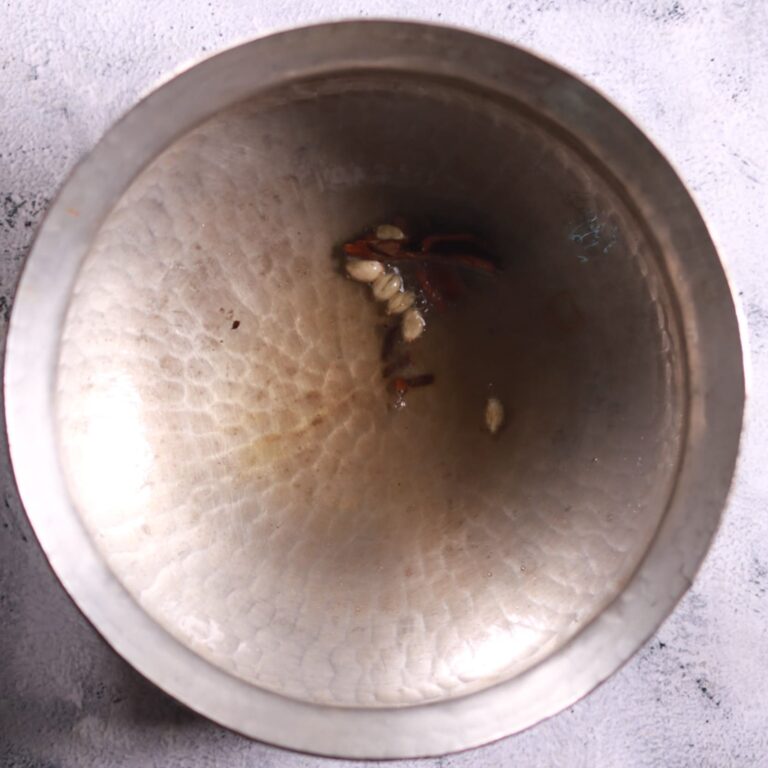
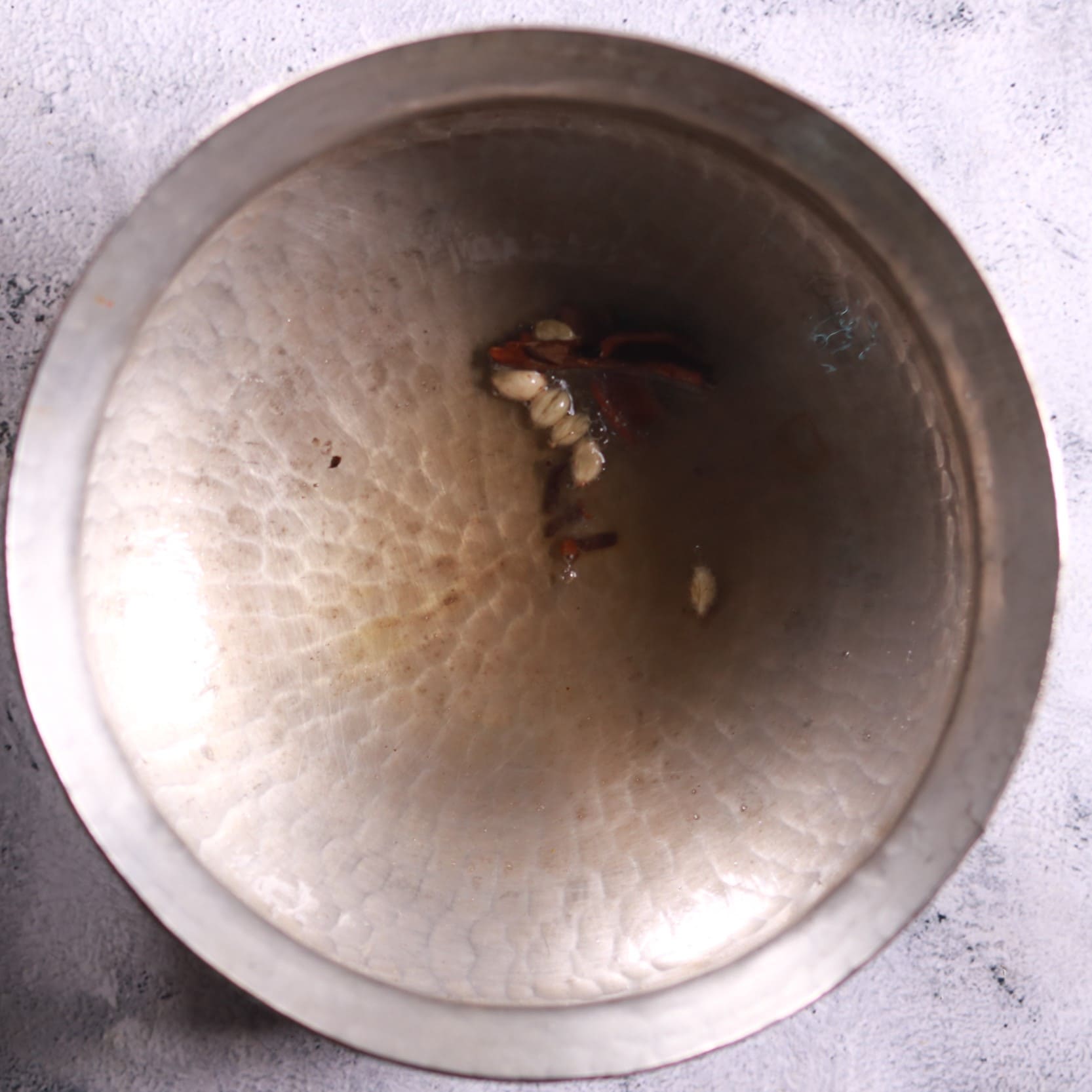
The base of this curry is where that familiar Kerala kitchen aroma comes from. You start by heating coconut oil and adding whole spices like cinnamon, cardamom, cloves, and fennel seeds, letting them sizzle just until toasty and fragrant. These give your curry warmth and complexity right from the start.
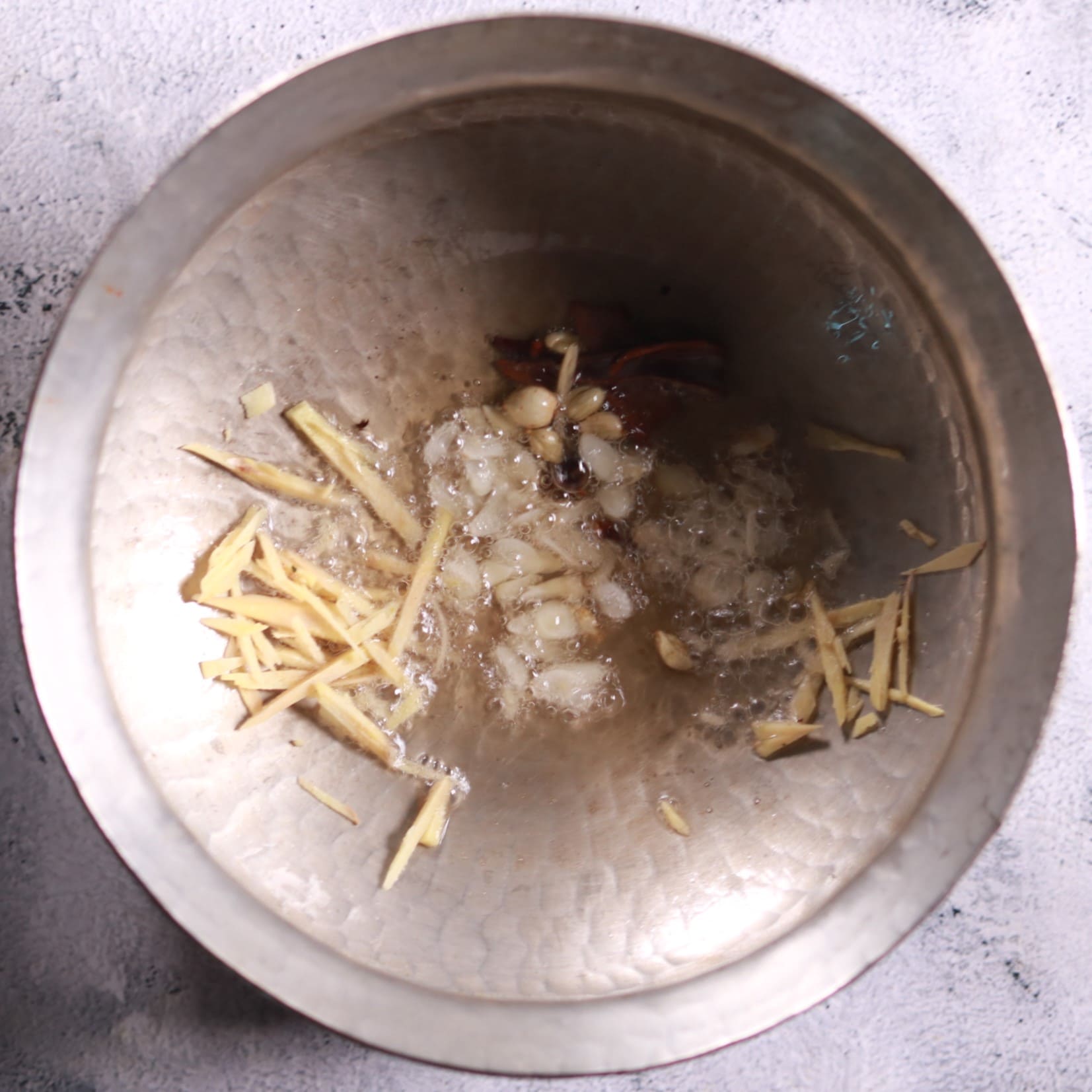
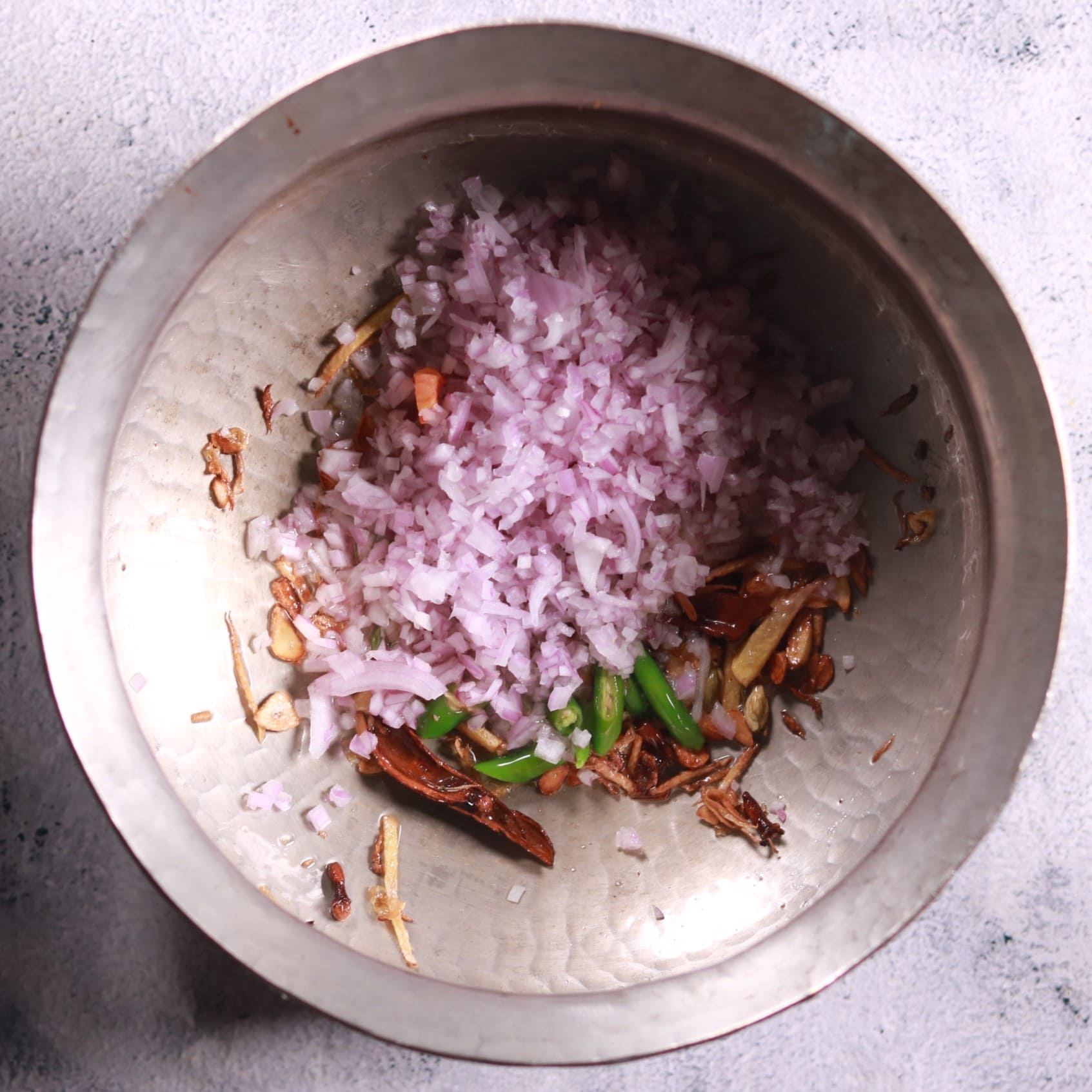
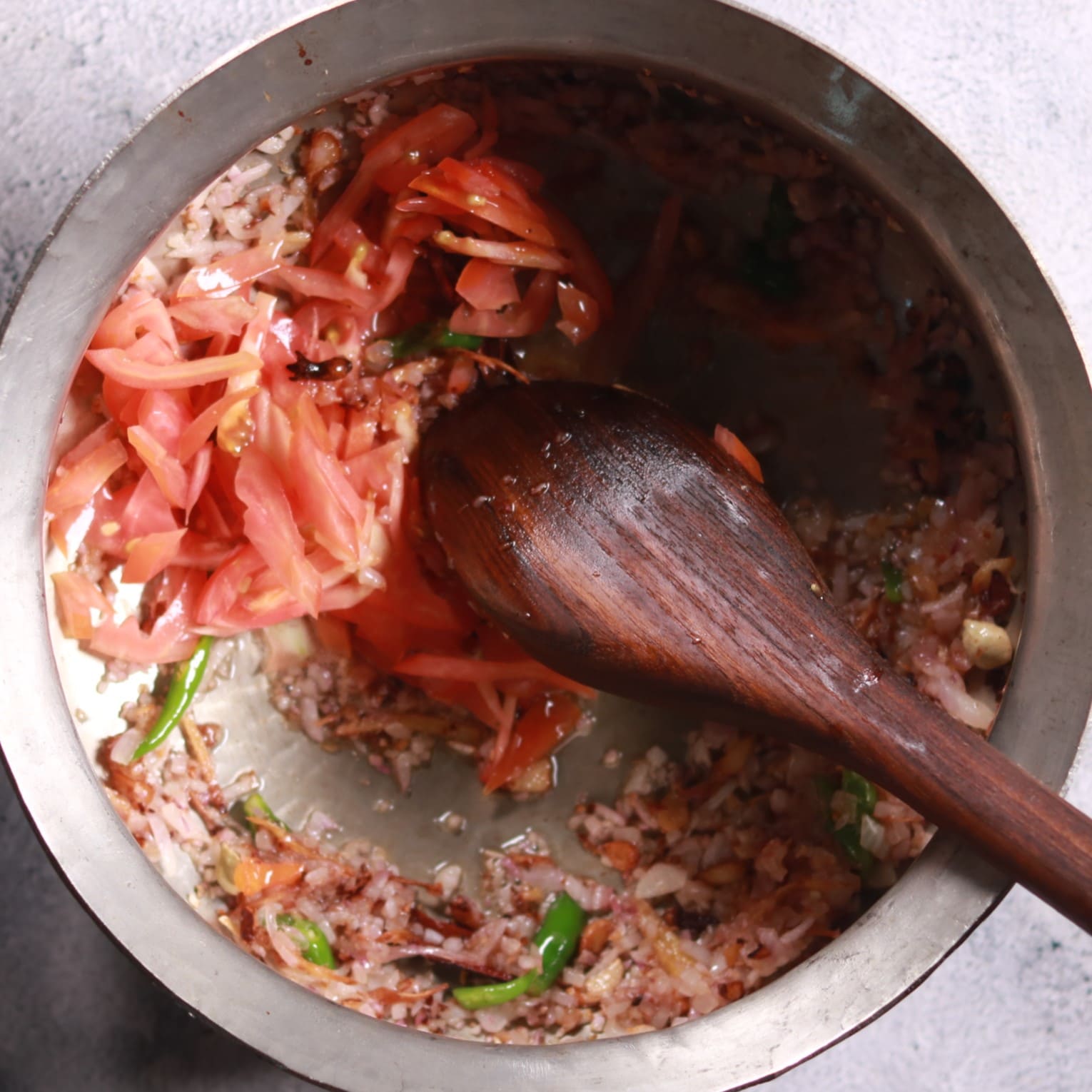
Next come the aromatics: sliced garlic, ginger, onions, and green chilies, sautéed slowly until the onions soften and turn light golden. This stage takes a few minutes, but it’s what gives your curry its sweetness and body. Then you mix in chopped tomatoes and curry leaves; the tomatoes break down into a soft, tangy base, while the curry leaves add that unmistakable South Indian character you’d miss if they weren’t there.
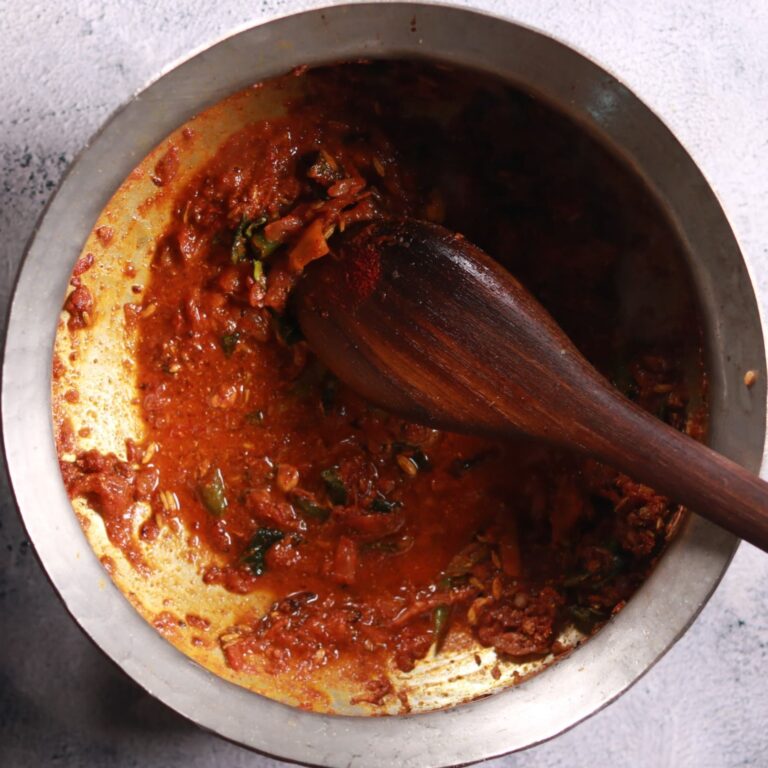
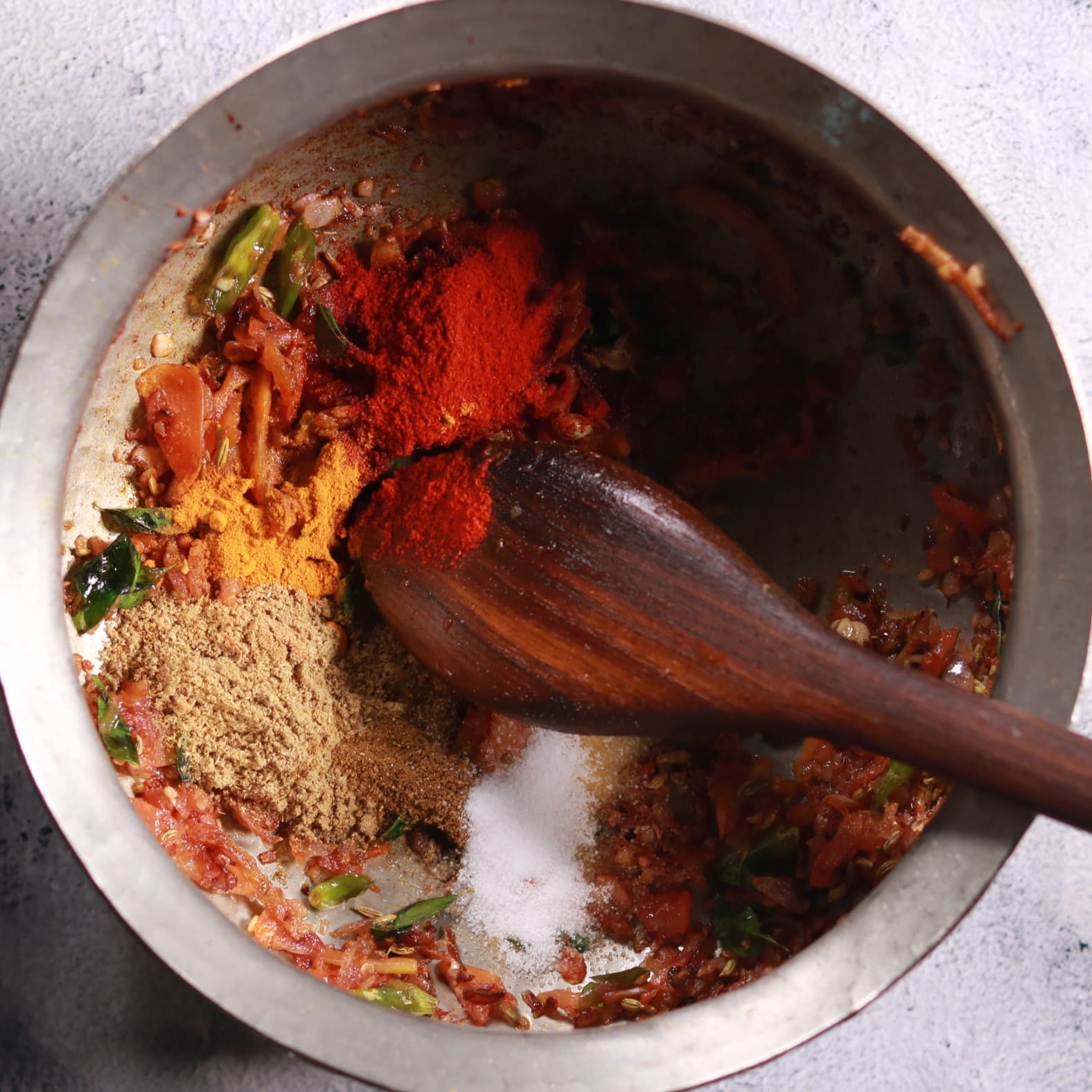
Once everything is soft and jammy, you add the ground spices: turmeric, red chili powder, coriander powder, garam masala, and salt. Cooking this masala for a minute or two is non-negotiable-it deepens the flavor and removes any raw, powdery taste, setting you up for a rich, restaurant-style gravy.
Making The Creamy Coconut Gravy
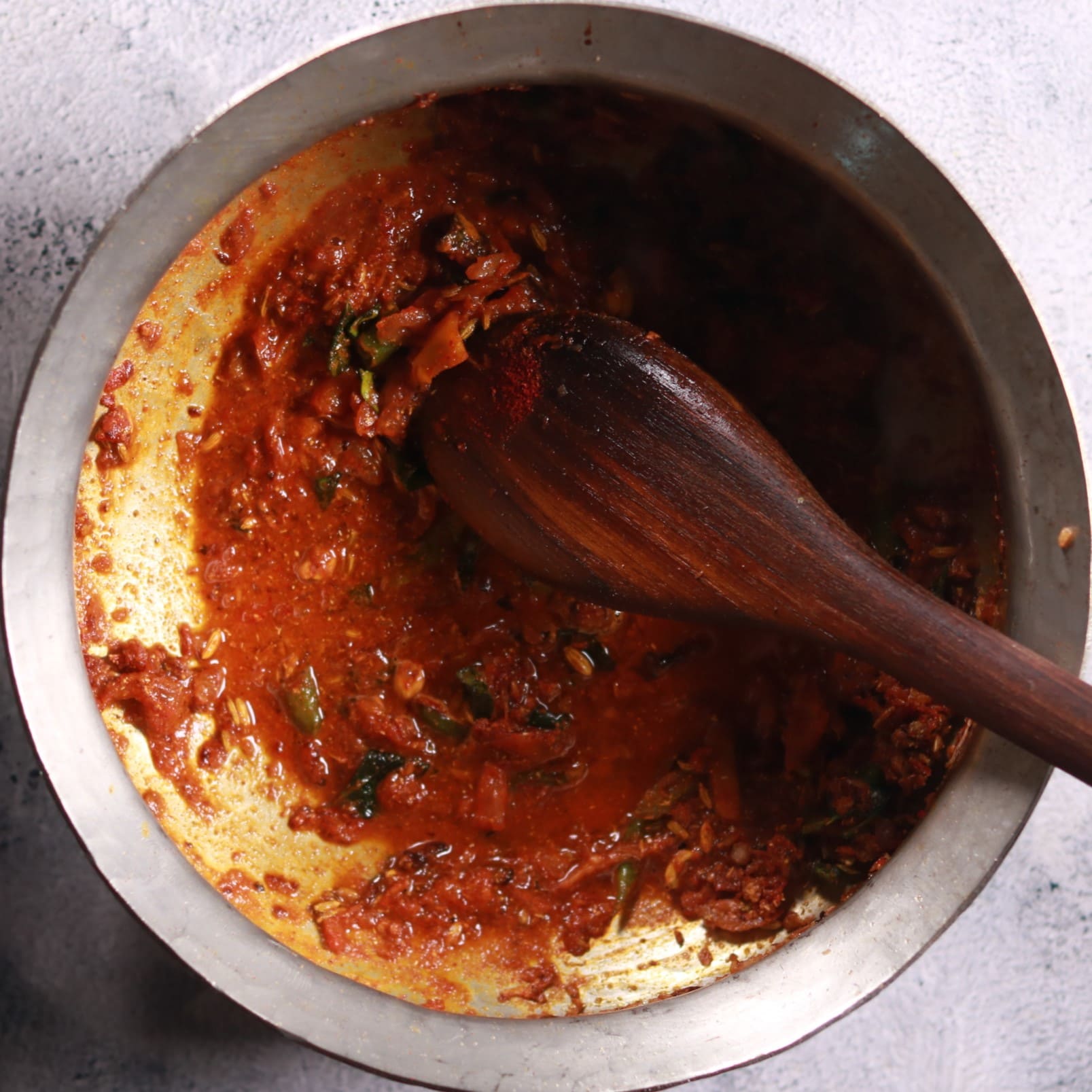
Now comes the part where the kitchen starts to smell dangerously good. You pour in some water to loosen the masala and let it simmer until you see tiny beads of oil separating at the sides that’s your sign the base is properly cooked. Then you add a bit more water along with a pinch of sugar, which doesn’t make the curry sweet but gently balances the tomatoes and spices.
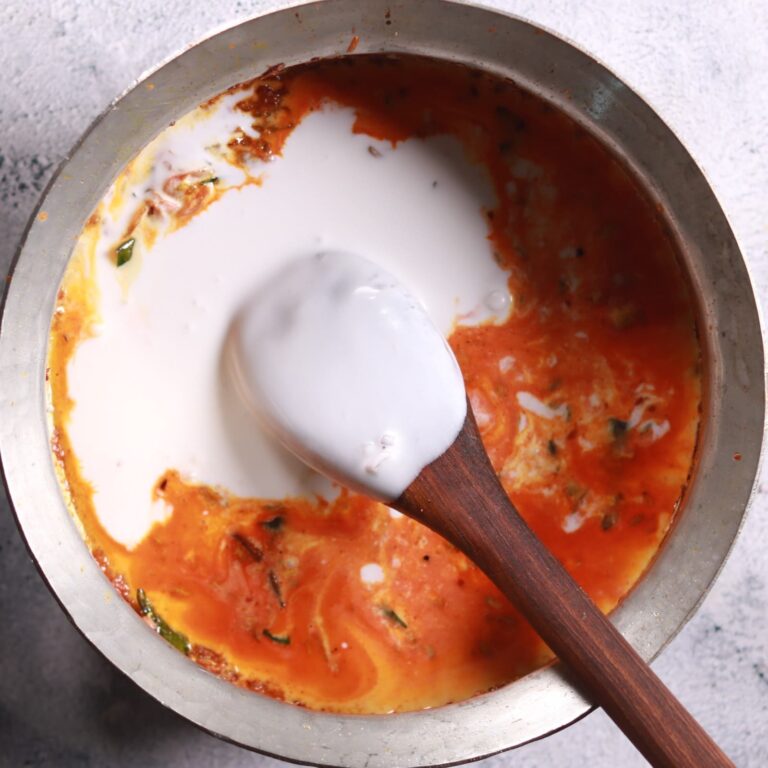
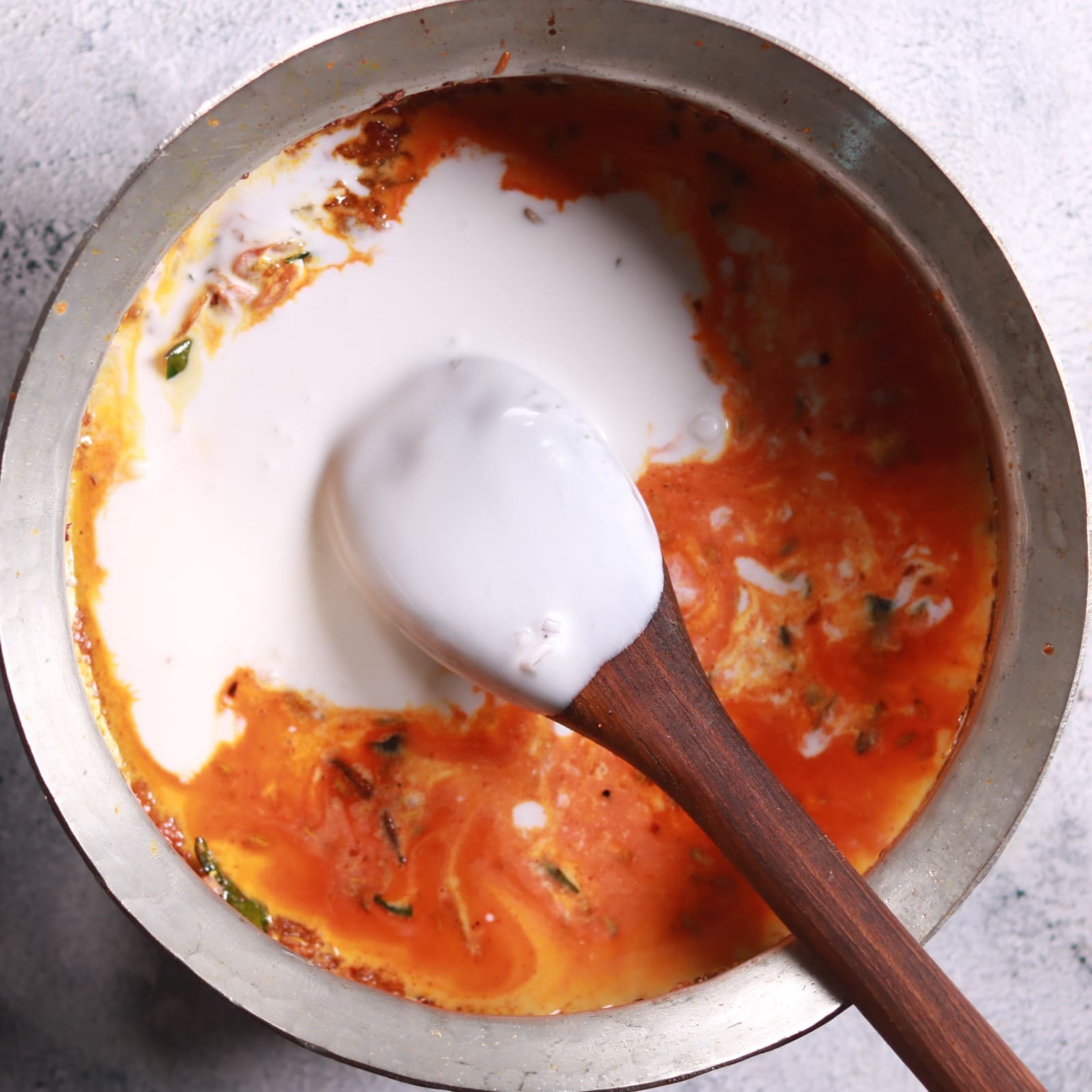
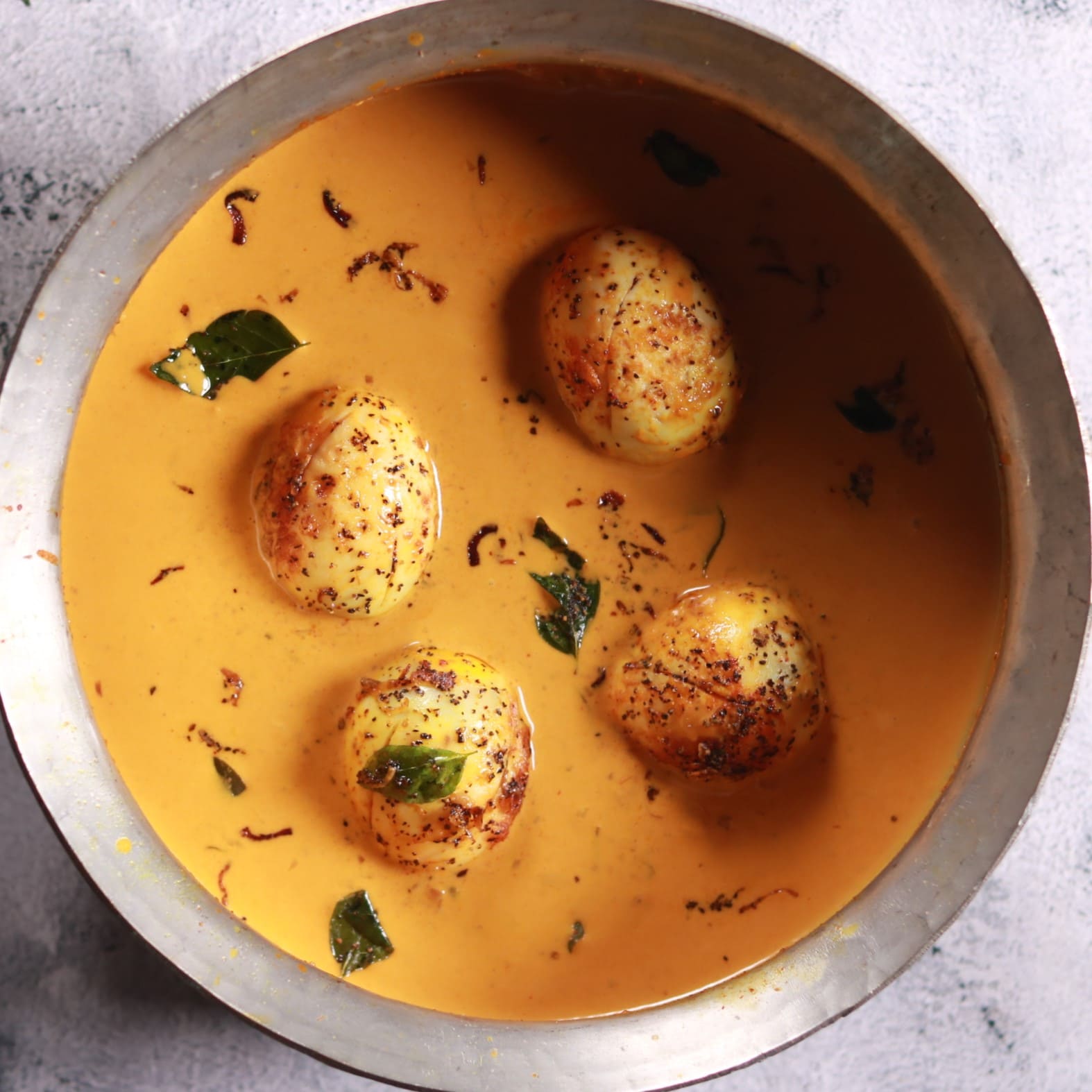
Finally, you pour in thick coconut milk and stir it in slowly, watching the curry turn creamy and beautifully light orange. At this point, you keep the heat low and let it come to a gentle simmer no aggressive boiling, so the coconut milk stays smooth and doesn’t split. After 2-3 minutes, the gravy thickens slightly to a silky consistency that’s just perfect for coating boiled eggs and clinging to appam or dosa.
This is where Kerala egg curry recipe with coconut milk earns its name: a simple spiced masala transformed into something luxurious with just one ingredient.
Frying, Tempering And Finishing The Kerala Egg Curry
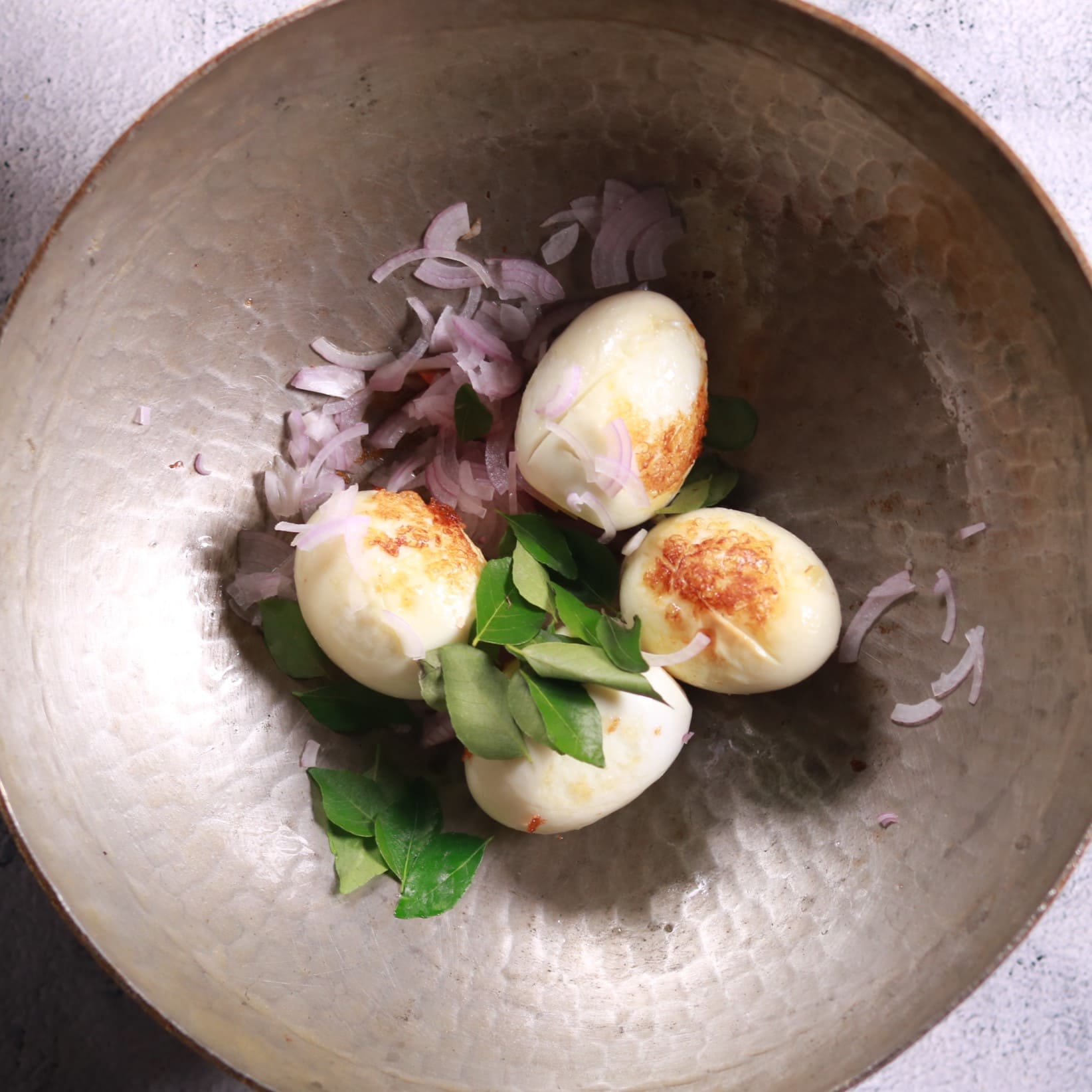
One of the best upgrades in this recipe is the quick egg fry and tempering. In a separate pan, you heat a little coconut oil, add the scored boiled eggs, and fry them until they pick up light golden-brown blisters on the outside. That slight crispness makes the eggs more interesting and helps them stand out in the creamy gravy.
In the same pan, you sauté sliced shallots and curry leaves until golden, then toss them with a pinch of turmeric, red chili powder, and black pepper. This mixture becomes a spiced, fragrant topping that you pour directly into the simmering coconut gravy along with the eggs. A gentle stir, a few more minutes of simmering, and everything comes together the eggs drink in the flavors, the oil rises in tiny reddish droplets, and the curry smells like it’s ready to be devoured.
Serving Ideas, Tips And Variations
This Kerala-style egg curry is incredibly versatile at the table. It’s traditionally served with appam, idiyappam, or dosa, but it’s just as lovely with parotta, chapati, naan, or a simple plate of steamed rice. If you give the curry a few minutes to rest before serving, the flavors deepen and the eggs get even tastier.
You can easily tweak it to suit your mood or pantry:
- Reduce chilies for a milder, kid-friendly version, or add extra for more heat.
- Stir in cooked potatoes or peas to bulk it up and make it more filling.
- Use freshly extracted coconut milk for the most authentic flavor, or good-quality canned coconut milk when you need a shortcut.
FAQs About Kerala Egg Curry Recipe
Can I use store-bought coconut milk?
Yes, you can. Just choose a good-quality, thick coconut milk so the curry turns out rich and creamy instead of thin and watery.
Can I skip frying the eggs?
You can, but lightly frying them adds so much extra flavour and texture. Those golden blisters and the spiced oil from tempering really lift the whole dish.
How spicy is this curry?
It’s usually gently hot, thanks to Kashmiri chilli powder and green chillies, but not blow-your-head-off spicy. You can always adjust the amount of chilli to suit your heat tolerance.
Can I make this curry ahead of time?
Yes, and it actually tastes better after a few hours as the flavors settle and deepen. Just reheat it gently on low heat and avoid boiling it hard, since coconut milk can split.
What can I serve this with?
It pairs beautifully with appam, dosa, idiyappam, parotta, chapati, naan, or just plain steamed rice. Basically, any soft, absorbent carb is a good friend here.
Can I add vegetables to this curry?
Definitely. Cooked potatoes or peas are popular add-ins; just make sure they’re cooked before you stir them into the curry, so they keep a nice texture.

Ingredients
- 4 no Eggs
- 2 cups Water for the curry
- 2 tbsp Coconut oil
- 1 inch Cinnamon stick
- 3 no Green cardamom pods
- 2 no cloves
- ½ tsp Fennel seeds – ½ tsp
- 6 no Garlic cloves sliced
- 1 inch Ginger julienned
- 3 no Green chilies sliced
- 1 no Onion large, chopped
- 1 no Tomato medium, sliced
- 2 sprigs Curry leaves
- 1 tsp Salt adjust to taste
- ⅓ tsp Turmeric powder
- 1 tsp Red chili powder Kashmiri
- 1 tbsp Coriander powder
- ¼ tsp Garam masala
- ½ tsp Sugar
- 1 cup Coconut milk thick, first extract 250 ml
Egg Tempering
- 1 tbsp Coconut oil
- 4 no Shallots sliced
- 1 sprigs Curry leaves
- ½ tsp Black pepper powder
- a pinch Turmeric & chili powder
Instructions
- Place eggs in a saucepan, cover with water, and bring to a boil over medium-high heat.Boil for 10 minutes,
- Transfer eggs to cold water. Once cool, peel the shells. Gently score each egg with shallow cuts (this helps absorb flavor later).
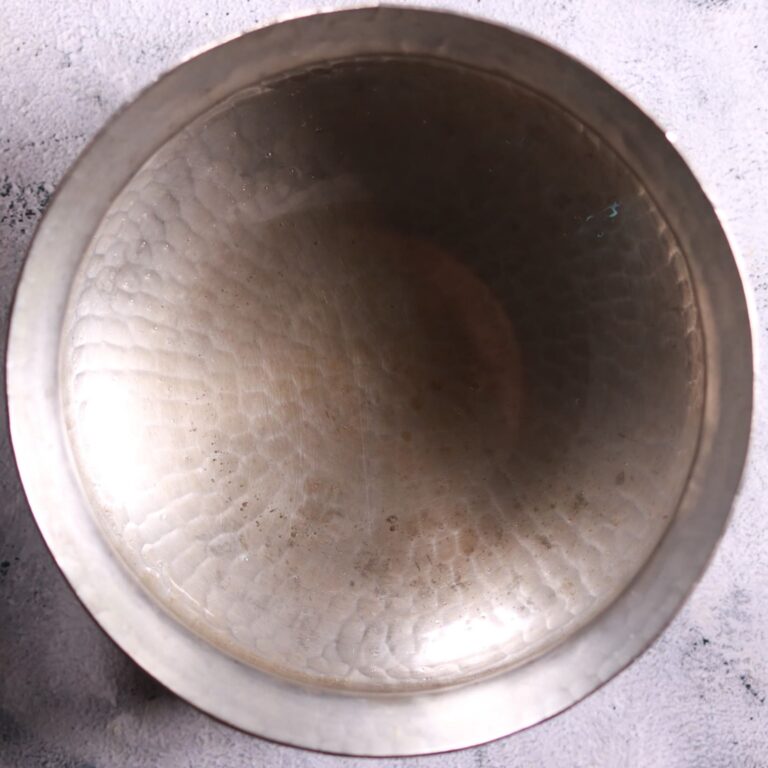
- Heat 2 tbsp coconut oil in a deep pan over medium heat.
- Add cinnamon, cardamom, cloves, and fennel seeds. Sauté until fragrant (about 30 seconds).
- Add sliced garlic and ginger julienne, Cook for 1 minute.
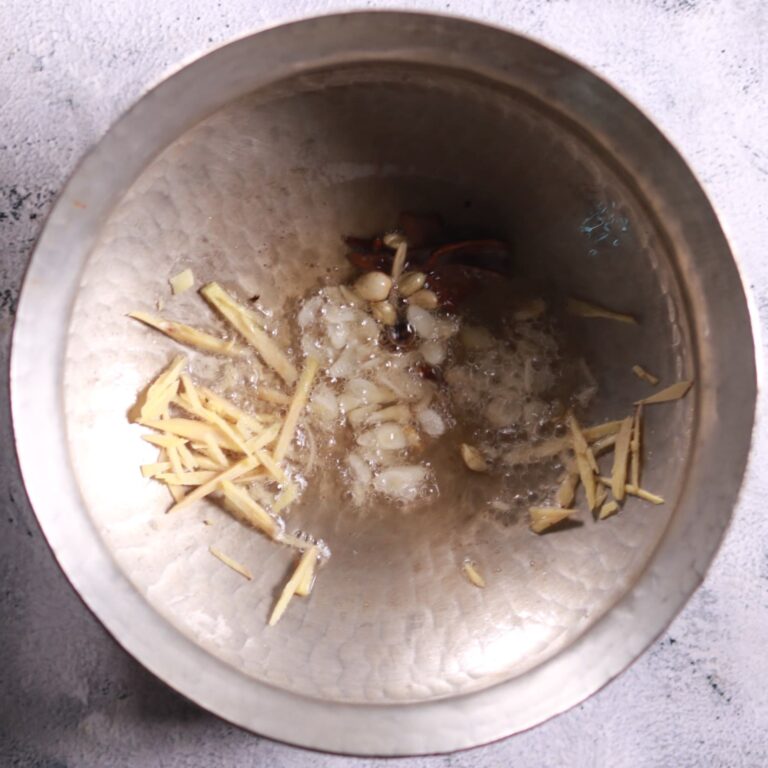
- Add chopped onions and green chilies. Sauté until onions are translucent and slightly golden (about 5–7 minutes).
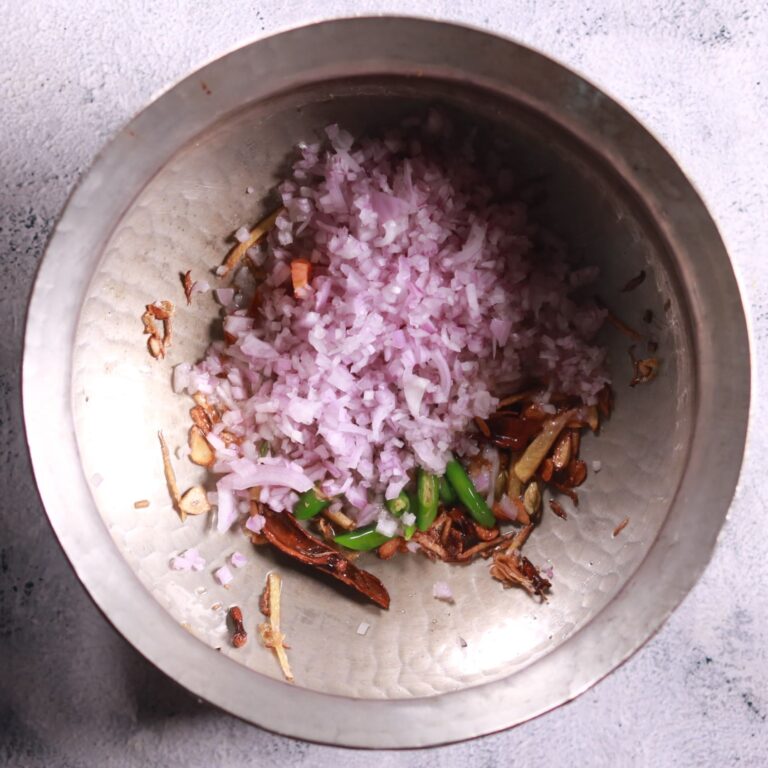
- Stir in the sliced tomato and cook until it softens and becomes mushy.
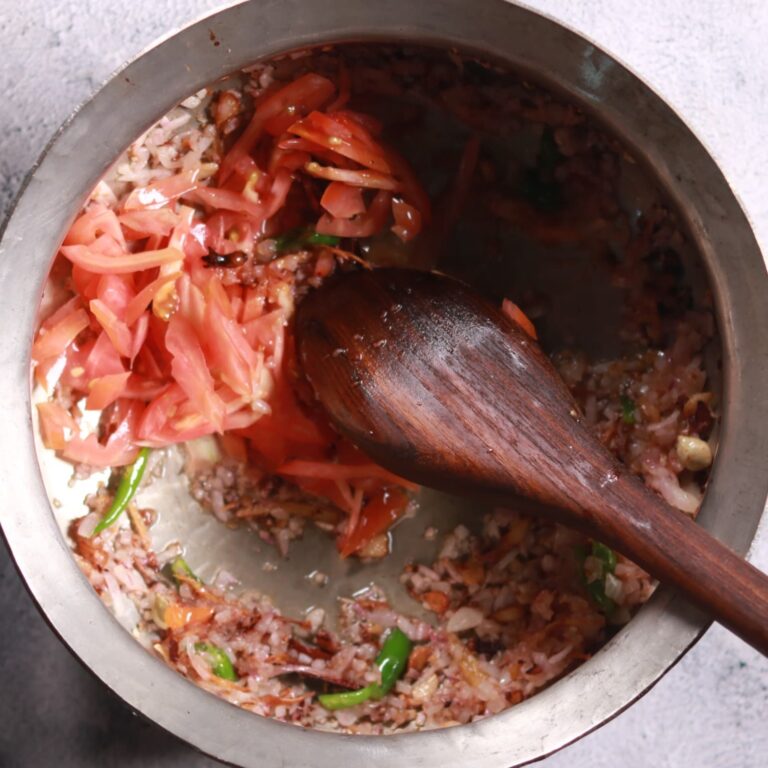
- Add curry leaves and sauté for another minute.

- Add turmeric powder, red chili powder, coriander powder, garam masala, and salt. Mix well and cook for 1–2 minutes until the spices are roasted and aromatic.
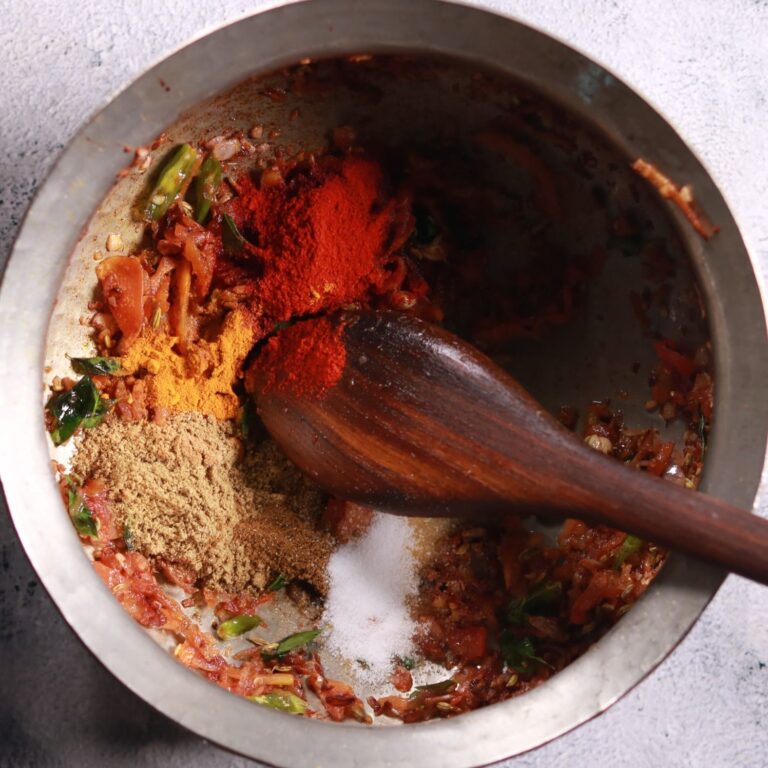
- Add ½ cup water and cook until oil starts separating from the masala (about 4–5 minutes).
- Pour in remaining water, add sugar and coconut milk bring the curry to a gentle simmer. Stir to combine. Simmer for 2–3 minutes until the curry thickens slightly.
- In a separate frying pan, heat 1 tbsp coconut oil over medium heat.
- Add the boiled eggs and fry until the sides develop light golden-brown blisters (about 3–4 minutes). Flip gently to crisp all sides.
- In the same pan, add sliced shallots and curry leaves. Sauté until shallots turn golden brown (3–5 minutes).
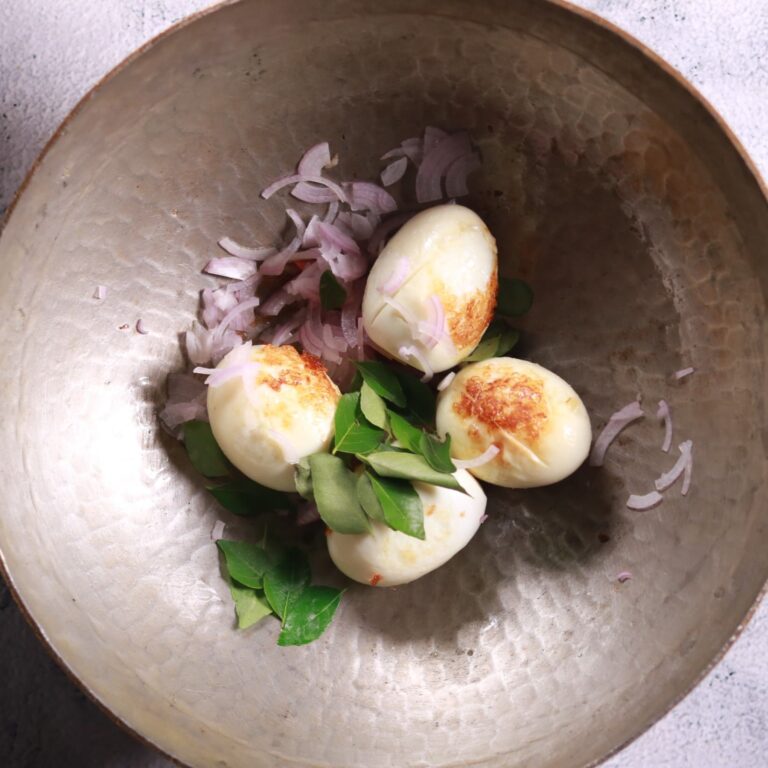
- Sprinkle a pinch of turmeric powder, red chili powder, and black pepper powder. Mix well.

- Add the fried eggs and tempering mixture into the curry. Gently mix and let everything simmer for another 2–3 minutes.
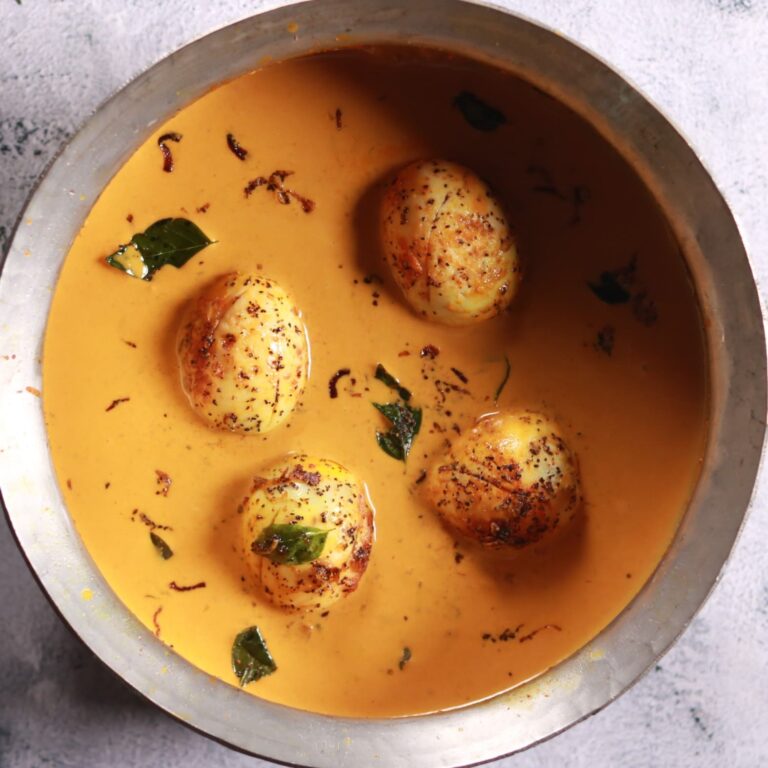
- Serve hot with appam, dosa, parotha and rice






Notes
Store leftovers in an airtight container in the fridge for up to 2 days. Reheat gently over low heat. Add a splash of water or coconut milk if it thickens too much. Enjoy the rich, creamy, and comforting flavors of this traditional Kerala Egg Curry! Let us know in the comments how yours turned out, and don’t forget to share with your fellow foodies. 🌴🥥🥚 Would you like a printable version or a featured image suggestion for this recipe?